
How the Open Innovation Network Model Is Reshaping Technology Collaboration
Introduction
Do you remember watching sci-fi movies and seeing connected worlds where knowledge flowed freely between brilliant minds?

That idea used to feel like pure fiction. But here in 2026, we are living through that transformation.
The real-world engine behind this change is called an open innovation network. Instead of locking ideas inside a single lab, this model pushes companies to share resources, technology, and expertise. As Wikipedia explains, open innovation promotes an information age mindset that runs counter to the secrecy of traditional silo thinking.
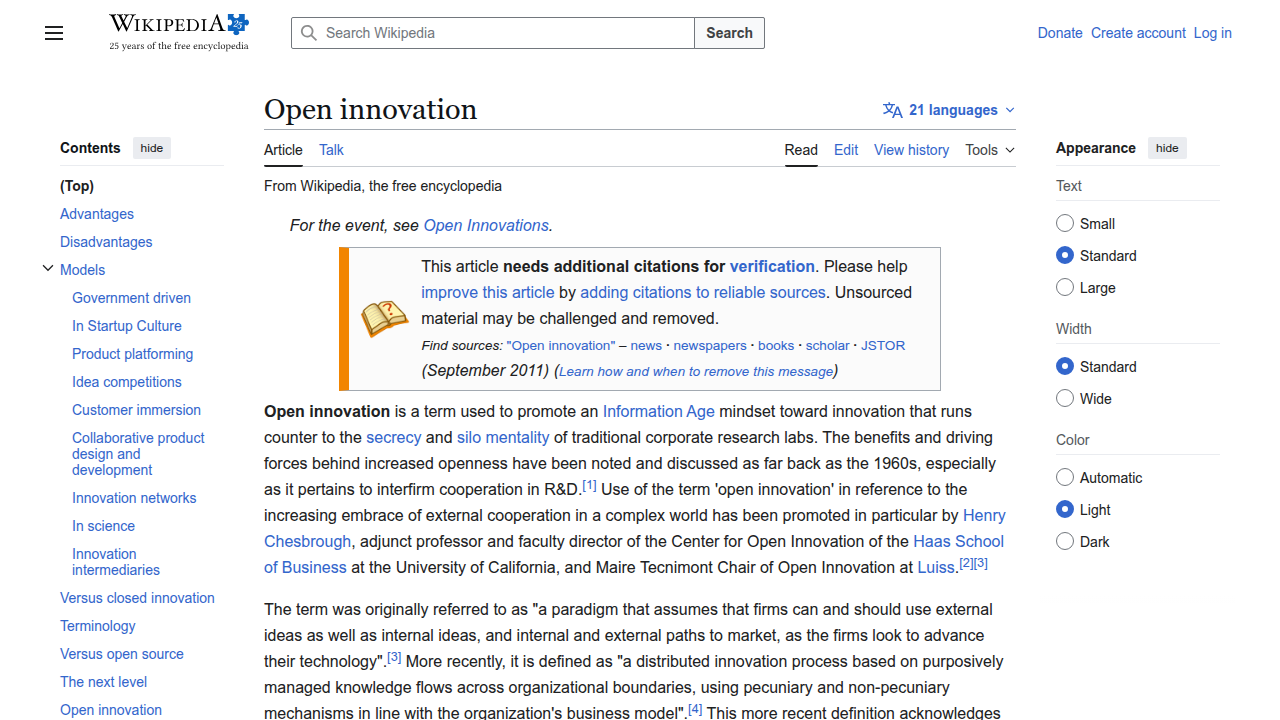
This shift is reshaping entire industries, from creation technologies to computer science and information technology. Companies of all sizes, including specialized firms like Faro Technologies and hundreds of others within the Open Invention Network (the largest patent defense community of its kind), are proving that collaboration beats isolation every time.

Science fiction writers have been showing us this collaborative future for decades. Now their visions are becoming our everyday tools. If you are curious about other predictions that have come true, check out our article on science fiction technologies becoming reality in 2026.

In this article, we will explore how these networks actually work, why they matter for the future of innovation, and what sci-fi can teach us about building a better world together.
So now we know the big picture. Let’s zoom in and get a clear definition of what an open innovation network actually looks like in practice.
Defining the Open Innovation Network
Think of an open innovation network as a structured ecosystem. It is a space where different organizations agree to share knowledge, resources, and even intellectual property (IP) to invent new things together. Instead of one company hiding its best ideas in a secret lab, this model pushes groups to collaborate. As Doblin’s "10 Types of Innovation" framework notes, open innovation means multiple players use each other’s technology, expertise, and resources to create value.
But who is actually involved? That is where this model breaks the old rules. An open innovation network does not just rely on a single corporate R&D team. It actively brings in startups, university researchers, customers, and sometimes even direct competitors.
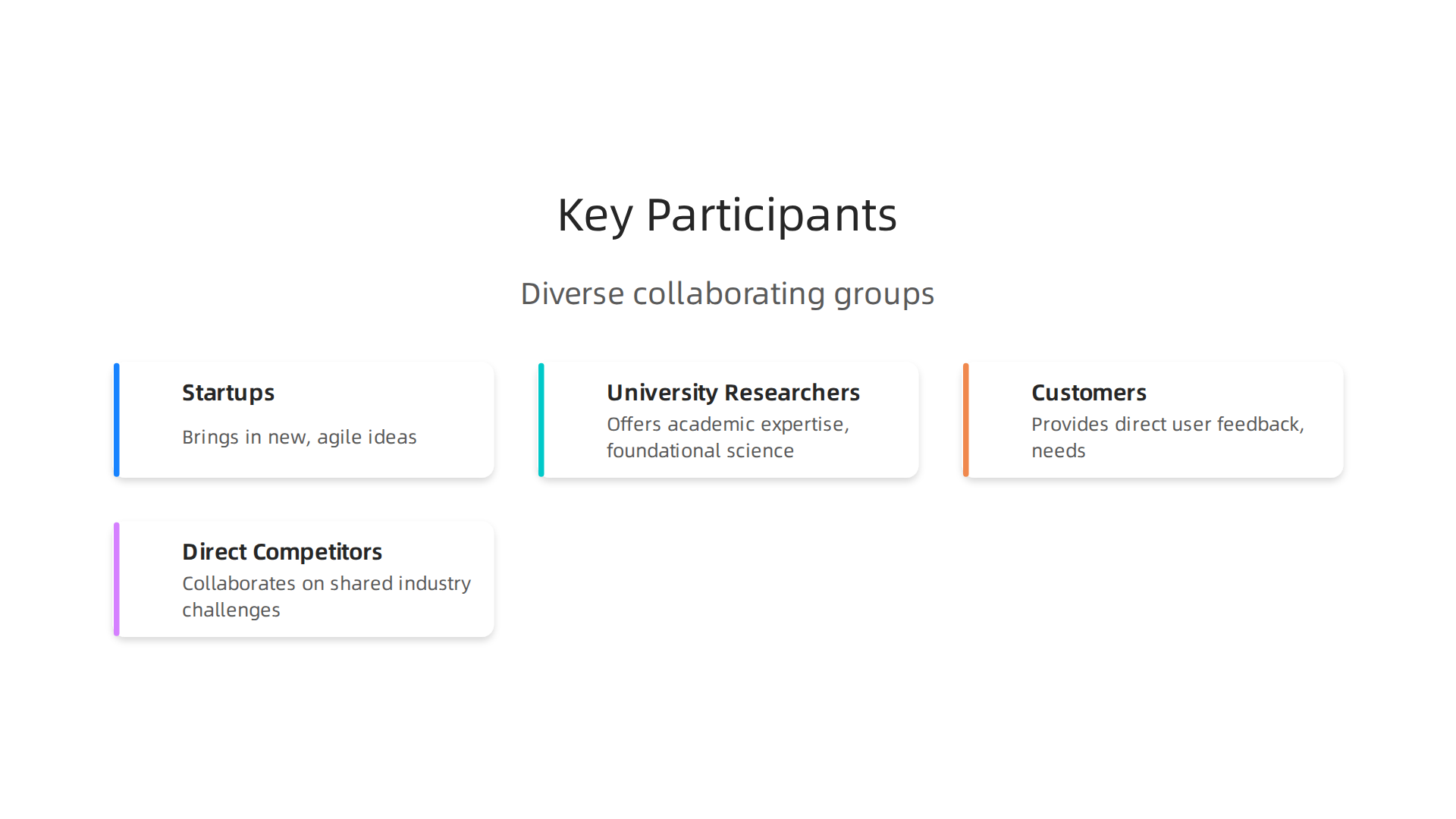
This is why it is often called "networked innovation." It engages more innovators inside and outside the company to generate better results. By mixing these different viewpoints, industries like creation technologies and computer science and information technology can solve problems much faster than they could alone.
If you love sci-fi movies, you know this idea goes against the typical story. Most films show giant corporations hoarding technology and spying on everyone. That closed-off mindset is the exact opposite of what an open innovation network does. You can see that contrast explored in our article on how corporate technology in sci-fi reflects real fears about power and privacy.
The concept itself is not brand new in 2026. The term "open innovation" was first popularized by researcher Henry Chesbrough in the early 2000s. His work promoted an information age mindset that runs counter to the secrecy of traditional silo thinking. Since then, digital platforms have made it much easier to build these networks. A real-world example is the Open Invention Network, which acts as a giant patent defense community. This community allows thousands of companies to share protections and innovate without fear of lawsuits.
So, an open innovation network is really just a fancy term for "building things together." It takes the fear out of sharing ideas and replaces it with shared progress.
The Evolution of Collaboration in Tech
It might seem like big tech companies have always worked in secret, locked in their own R&D labs, hiding their best ideas from the world. And for a long time, that was true. But over the last few decades, that model has flipped. The way we build technology has shifted from closed doors to wide open networks. This evolution is exactly what powers a modern open innovation network.
The old way was simple. Companies like Bell Labs or Xerox PARC hired the smartest people, put them in a room, and hoped for breakthroughs. That worked for a while. But it was slow. And it was expensive. By the 1990s, the cost of research was rising fast, and the benefits of sharing started to become clear.
Then came open source software. Projects like Linux showed the world that thousands of volunteers could build something better than any single company could. This was a huge moment. It proved that a large open innovation network could beat a closed lab. As Wikipedia notes, open innovation promotes an "information age mindset" that runs counter to the old secrecy and silo thinking.
The rise of digital platforms made this shift happen even faster. Tools like GitHub, InnoCentive, and various innovation marketplaces gave companies a way to find talent and solutions outside their own walls. Instead of hiring someone new, you could post a problem and have thousands of experts compete to solve it. IdeaScale defines open innovation as a strategic approach that actively seeks external input, and these platforms made that easy.
Today, some of the biggest breakthroughs come from industry consortia. Groups like the Linux Foundation and OpenAI (which we talk about more in our article on OpenAI news 2026 breakthroughs) are perfect examples. They bring together competing companies, startups, and researchers to work on shared problems. The Open Invention Network (OIN) is another massive example. It acts as a patent defense community with over 4,100 members, proving that even intellectual property can be shared without fear.
This evolution is not just about efficiency. It is about speed and creativity. When you connect different minds across creation technologies and computer science and information technology fields, the results are exponential.

We are seeing real life start to mirror the collaborative futures that sci-fi movies have imagined for decades. For a deeper look at how these science fiction concepts are becoming reality, check out our piece on science fiction technologies becoming reality in 2026.
The days of the lone inventor in a garage are mostly gone. The future belongs to the network. And in 2026, that network is bigger, faster, and more open than ever before.
Key Mechanisms: How Open Innovation Networks Drive Change
So how do these networks actually make progress? It is one thing to talk about sharing ideas. It is another thing to make that sharing work in real life. Open innovation networks rely on a handful of specific mechanisms that turn collaboration into real breakthroughs.

Co-development alliances are the most common. Two or more companies agree to build something together. They share the cost, the risk, and the reward. This is a huge driver in fields like creation technologies, where hardware and software need to work together. Instead of each company inventing the same thing twice, they combine forces.
Patent pools are another powerful tool. Imagine a group of companies that all hold patents related to a certain technology. Instead of suing each other, they put their patents into a shared pool. Everyone in the pool gets to use the whole collection. This lowers legal costs and speeds up innovation. The Open Invention Network we mentioned earlier is a perfect example of this working at scale.
Innovation contests flip the model entirely. A company posts a tough problem on a platform and opens it to the world. Thousands of minds from different fields and countries start competing for the reward. The winner often comes from a completely unexpected background. This approach works because it taps into a global talent pool, not just the people you already know.
Open licensing is the simplest mechanism. Instead of keeping a technology secret, you release it under a license that lets anyone use, modify, and share it. As Jeremy de Beer explains in his policy framework, open licensing is a distinct IP management model that places knowledge into the commons. This is how Linux and thousands of other projects grew so fast.
Data Sharing and Knowledge Commons
Beyond these four mechanisms, data sharing and knowledge commons are central to today’s open innovation networks. Companies and universities now share massive datasets on everything from climate patterns to drug interactions. This shared data acts as a fuel for machine learning and new discoveries. The Frontiers in Research Metrics article highlights how open innovation is becoming a key method for strengthening university-industry partnerships, especially through shared data.
Digital Platforms: The Glue That Holds It Together
None of this would be possible without digital platforms. Websites, APIs, and real-time collaboration tools let researchers in Tokyo, Berlin, and San Francisco work on the same problem at the same time. These platforms lower the barrier to entry. A startup with a great idea can join a massive network without needing a huge budget. This is where computer science and information technology skills become essential. Understanding how to build and use these platforms is now a core competency for any organization.
For a deeper dive into how these real-world systems compare to the visions we see on screen, check out our article on what computer systems technology looks like in the real world.
Companies like Faro Technologies are also contributing specialized hardware and software to these shared ecosystems. Their 3D measurement tools, for example, are used in co-development projects across multiple industries. This blend of hardware, software, and open collaboration is what makes modern open innovation networks so effective.
The result is a faster, cheaper, and more creative path to progress. When the right mechanisms are in place, the network becomes smarter than any single member. That is the real power behind open innovation.
Case Studies: Open Innovation Success Stories
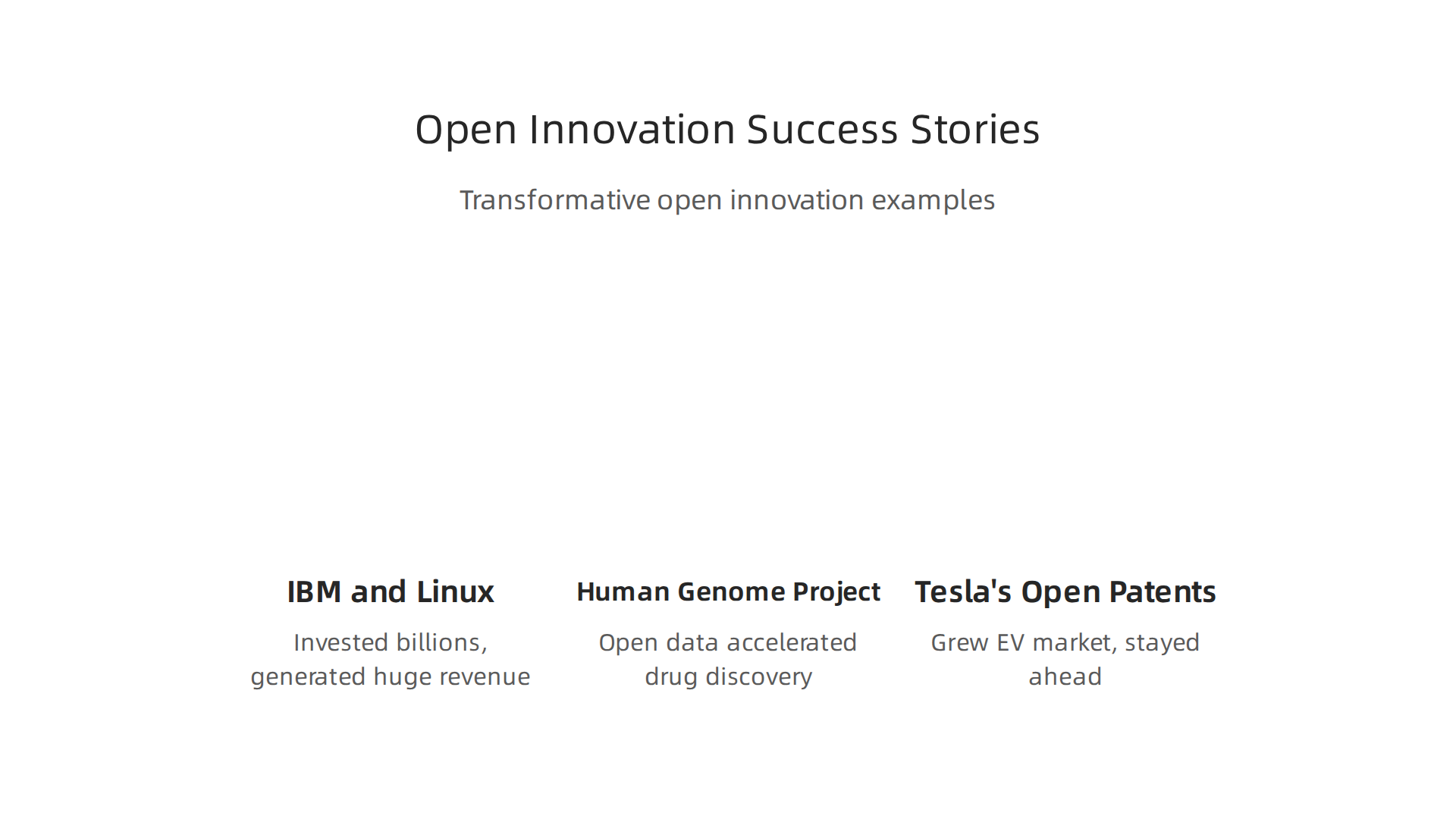
All that talk about mechanisms is great, but you might be wondering: does this stuff actually work in the real world? The short answer is yes, and the proof is in some pretty big names. Let’s look at three powerful examples where an open innovation network changed entire industries.
IBM and Linux: A Bet That Paid Off Big
In the late 1990s, IBM was a giant that mostly sold its own software. Then the company made a bold choice. It decided to support Linux, a free and open operating system built by a global community. IBM invested billions in Linux development, contributed code, and built its own products on top of the platform.
Skeptics thought IBM was giving away its crown jewels. But the company measured success differently. According to the metrics discussed on Flevy, companies need to track things like projects initiated, time to market, and ROI. IBM tracked all of that. The result? IBM generated billions in revenue from services and hardware that ran on Linux. The ecosystem grew, and so did IBM’s slice of the pie. That is open innovation working at scale.
The Human Genome Project: Science Without Borders
If you have ever taken a DNA test or heard about personalized medicine, you can thank the Human Genome Project. This massive scientific effort aimed to map every single gene in the human body. Instead of keeping the data secret, the project released everything into the public domain.
That decision changed everything. As the APQC report highlights, leading organizations embrace external input and knowledge sharing. By opening the data, the Human Genome Project let researchers around the world start building on the results immediately. Drug discovery sped up. New treatments emerged. Biotech companies that might have spent years duplicating work could jump straight to innovation. The open data model became a blueprint for future scientific networks.
Tesla’s Open Patents: A Strategy to Grow the Market
In 2014, Tesla announced something shocking. The company would not sue anyone who used its electric vehicle patents "in good faith." Many people thought Elon Musk was crazy. Why give away your best technology?
But Tesla was playing a longer game. The company understood that the biggest barrier to electric vehicle adoption was not competition. It was a lack of infrastructure, parts, and supplier know how. By opening its patents, Tesla encouraged other companies to build better batteries, chargers, and components. This approach aligns with what Qmarkets describes as creating an internal culture that values collaboration and external input. Tesla’s strategy worked. The entire electric vehicle market grew, suppliers improved, and Tesla stayed ahead by innovating faster than anyone else.
These three stories show that an open innovation network is not just a theory. It is a proven way to create value, speed up progress, and change the world. And if you are a sci-fi fan, you know that these kinds of collaborative breakthroughs often feel like something out of a movie. For a closer look at how real world tech compares to what we see on screen, check out our piece on science fiction technologies becoming reality in 2026.
The Role of Sci-Fi in Shaping Future Collaboration
You have seen how real companies like IBM and Tesla used open innovation to win. But where do these bold ideas come from in the first place? For many inventors, the spark came from science fiction.
Think about it. Long before we had shared digital libraries, sci-fi writers imagined a "universal library" where anyone could access all human knowledge. Before collaborative AI assistants, stories described networked consciousness where minds could connect and work together. These fictional concepts are now being built by real research networks. The 2026 GÉANT Innovation Programme, for example, is turning bold ideas into real-world collaboration tools for scientists around the globe. That is open innovation inspired by the same kind of breakthrough thinking you see in movies.
Some of the most famous sci-fi works directly shaped today’s technology. The replicator from Star Trek gave engineers a vision for 3D printing and on-demand creation technologies. The matrix from Neuromancer imagined a global data space that influenced how we build the internet and collaborative platforms. Even the idea of a "brain-computer interface" from books and films is now a real topic in fields like computer science and information technology. As researcher Ed Finn explains in his work on sci-fi and innovation, fiction does not just predict the future. It helps us imagine what is possible in the first place.
Here is the thing. Sci-fi is not just about predicting gadgets. It is about showing us new ways to work together. Stories about hive minds, collective AI, and shared virtual worlds have given teams a blueprint for building tools that let people collaborate across continents in real time. The ACM notes that sci-fi narratives can define and illuminate user needs for new technologies. That means today’s sci-fi movies and books are actively shaping the next wave of open innovation networks.
So if you want to understand where collaborative tech is heading, look at what sci-fi is dreaming up right now. And for a deeper look at how specific sci-fi concepts compare to real 2026 tech, check out our article on how DeepBrain AI in sci-fi movies compares to real technology in 2026.
Overcoming Challenges in Open Innovation
By now you can see why the open innovation network is such a powerful idea. But let’s be honest. Sharing ideas and working with outsiders sounds great in theory. In practice, it comes with some serious headaches.
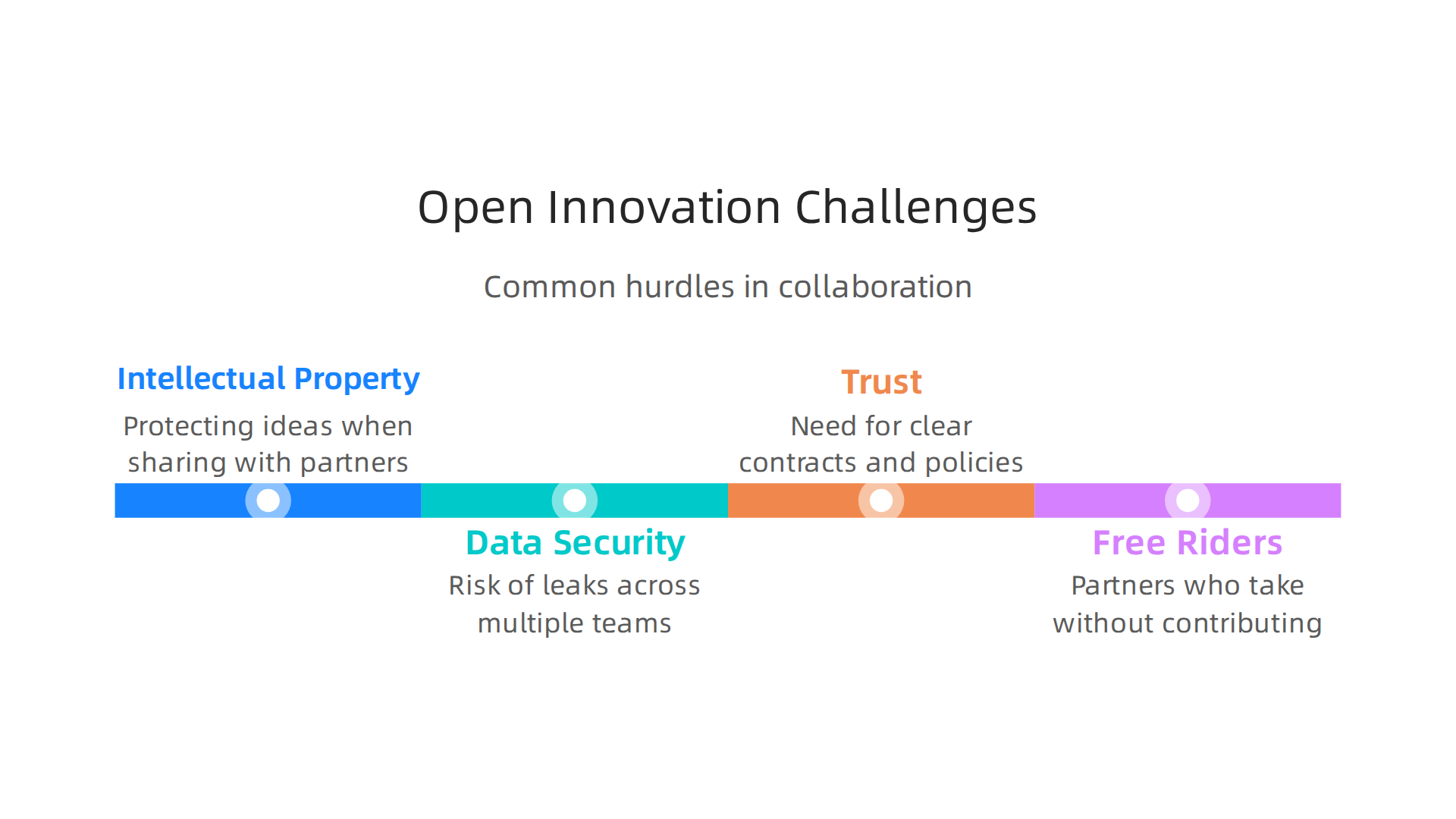
The biggest one? Intellectual property. When you open up your innovation to partners, how do you keep your best ideas safe? This is a top concern for many companies. A recent report from Deloitte shows that emerging tech and new consumer demands are forcing organizations to rethink how they handle IP in open settings. Without clear rules, you might give away your secret sauce and get nothing back.
Data security is another nightmare. When multiple teams access the same platform, the risk of leaks grows fast. You need strong systems in place to protect sensitive information. That is why some companies turn to tools built on blockchain technology to manage IP rights more securely.
Then there is trust. You cannot just hand over your tech to strangers and hope for the best. You need governance. Clear contracts and policies are essential for any open innovation network to work. According to a paper from the World Intellectual Property Organization, firms handle this best through contracts or general policies that set rules for information exchange. Without that foundation, collaboration falls apart.
Finally, watch out for free riders. These are partners who take your ideas and contribute very little back. They capture value without creating it. This can kill motivation for everyone else. A study on closing open innovation explains that IP disassembly is a real struggle when projects end. Who gets what? Without a plan, you can end up with nothing.
So what can you do? Start with small pilot projects. Build trust step by step. Use clear contracts that spell out ownership from day one. And consider platforms that offer built-in governance tools.
If you want to go deeper on how technology and trust work together in collaborative networks, check out our article on what computer systems technology is and how sci-fi makes it real. It connects the dots between the sci-fi ideas you love and the real systems that power open innovation today.
The Future: Open Innovation Networks and Emerging Tech
The challenges we just covered are real. But they are not slowing things down. Actually, the future of the open innovation network looks brighter than ever. Why? Because three powerful forces are changing everything: artificial intelligence, blockchain, and biotechnology.
Let me start with AI. In 2026, AI tools make it easier than ever to connect the right people with the right ideas. Machine learning can scan thousands of suggestions, find hidden patterns, and match partners who would never have found each other before. According to research from Qmarkets, for open innovation to really succeed, companies must build an internal culture that values collaboration and external input. AI helps make that happen at scale. It also helps measure success. Metrics like projects initiated, time to market, and ROI are now tracked in real time with AI dashboards. This turns a messy process into something you can actually manage.
Blockchain is another huge shift. One of the biggest fears in any open innovation network is losing control of your ideas. Blockchain offers a clean solution. Smart contracts can automatically track who contributed what and enforce payments. A 2025 study published by SAGE journals shows that blockchain networks can support IP protection in different ways, from fully decentralized to more centralized setups. This gives companies the flexibility they need to join an open innovation network without giving up their secrets.
Then there is biotech and other creation technologies. Techniques like CRISPR and synthetic biology are opening doors that did not exist ten years ago. Companies that once worked in total secrecy are now joining open innovation networks to share data and speed up discoveries. Even hardware companies like Faro Technologies, known for 3D measurement and scanning, are participating in these ecosystems. The fields of computer science and information technology are also evolving fast to support these new ways of working together.
What comes next? Decentralized autonomous organizations, or DAOs. Imagine an open innovation network where no single company is in charge. Instead, a community of contributors owns and governs the network together. Decisions are made by voting. Rewards are distributed automatically through code. This could be the next big leap for collaborative innovation.

Experts predict that by 2030, these networks will be more inclusive, more global, and more real time than anything we see today. The barriers of geography and language will keep falling. Tools like the ones listed in the best open innovation software platforms for 2026 are already showing us what is possible.
If you want to see how science fiction has been predicting this kind of connected future, check out our article on science fiction technologies becoming reality in 2026. It connects the futuristic ideas you love with the real systems powering open innovation today.
Summary
This article explains what an open innovation network is, how it works, and why it matters in 2026 by tracing the shift from closed labs to collaborative ecosystems. It describes the main mechanisms—co‑development alliances, patent pools, contests, open licensing, and data commons—and highlights the digital platforms and governance needed to make sharing productive and safe. Real-world examples from IBM, the Human Genome Project, and Tesla show measurable benefits like faster development, lower costs, and broader markets, while sections on IP, data security, and trust explain the practical hurdles organizations face. The piece also connects these trends to science‑fiction ideas that inspired networked thinking, and looks ahead to AI, blockchain, and DAOs as forces that will shape more inclusive, real‑time innovation networks. After reading, you’ll understand how these networks create value, what tools and rules to use, and concrete first steps to join or launch an open innovation effort.