OpenAI News 2026 Breakthroughs That Sci Fi Enthusiasts Need to See
Introduction: Why OpenAI News Matters to Sci-Fi Enthusiasts
If you have ever watched a movie about a superintelligent computer or read a novel where machines begin to think for themselves, you have already been exploring the ideas that OpenAI is turning into reality.
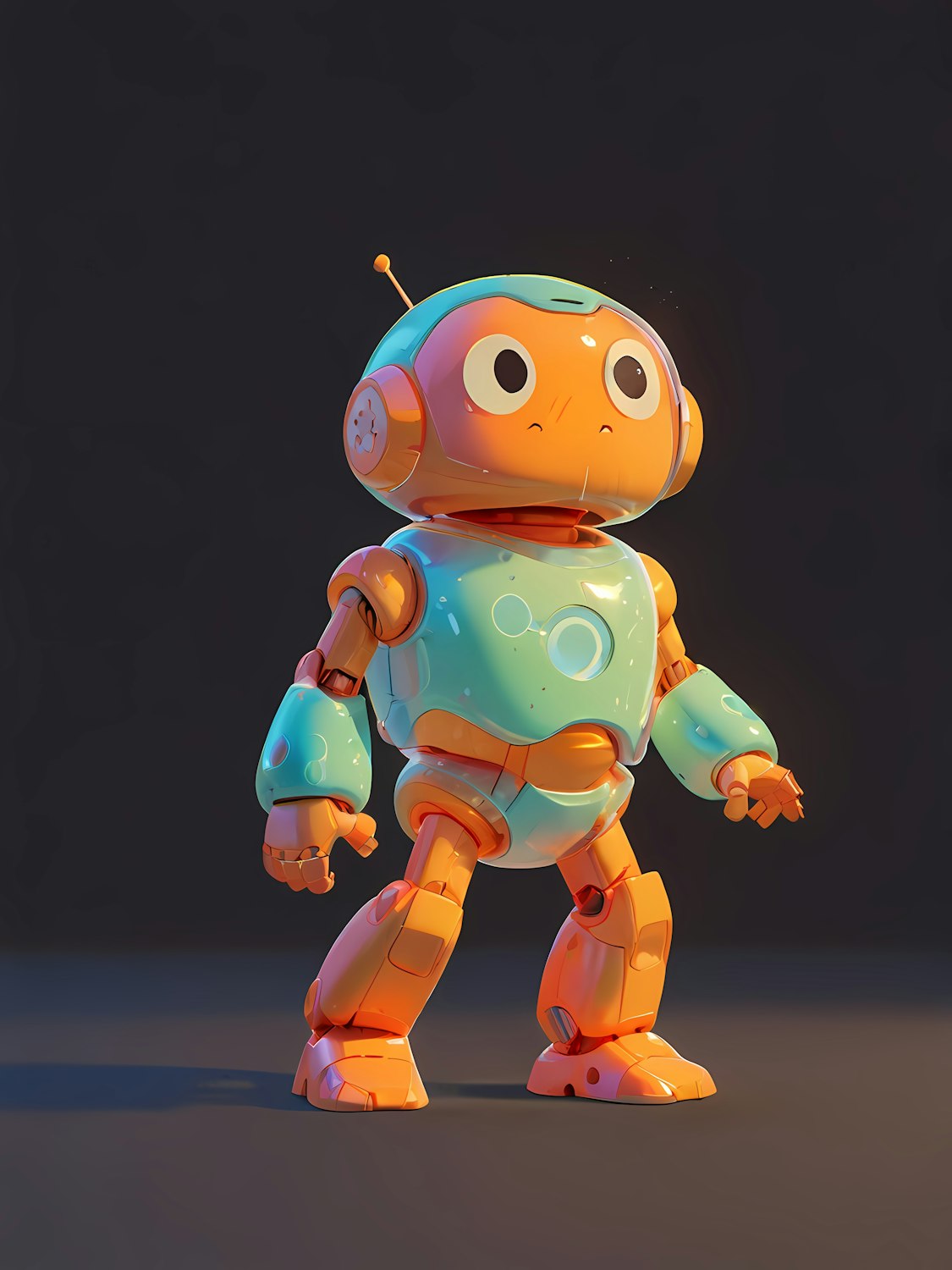
In 2026, the gap between science fiction and real world technology has never been smaller.
OpenAI made headlines this year with breakthroughs that sound like they came straight from a script. The company introduced GPT-Rosalind, a reasoning model built to accelerate drug discovery and scientific research. Sam Altman himself said 2026 would mark a major leap in AI-driven discovery. Meanwhile, ChatGPT adoption surged in early 2026, with the fastest growth among users over 35. These are not small steps. They are giant leaps toward the kind of artificial general intelligence that sci-fi has been predicting for decades.
Here is why that matters to you as a sci-fi fan. You have a head start. You have already thought about synthetic consciousness, post-humanism, and the ethics of intelligent machines. You have imagined the consequences of AI assistants that can reason, create, and even surprise us. While the rest of the world is just waking up to these ideas, you have been exploring them through stories your whole life.
This article connects the latest OpenAI news to the narrative tropes that define the sci-fi genre. We will look at how models like GPT-Rosalind and multi-modal foundation systems bring us closer to the futures we have seen on screen. And we will explore what these innovations mean for the stories we tell about humanity, technology, and what comes next.
The future is arriving faster than anyone expected. If you want to keep up with how AI is reshaping the world we live in and the worlds we imagine, Subscribe for updates on the latest developments at the intersection of science fiction and reality.
The Latest OpenAI Breakthroughs in 2026: What Changed?
The pace of change this year has been stunning. If you blinked, you might have missed the biggest leaps toward the futures we have seen in science fiction. We are not talking about rumors anymore. These are real products, real research, and real shifts in what AI can do.
Multimodal Models Push Closer to AGI
The biggest story in openai news this year is the arrival of models that do not just read and write. They see, hear, and speak all at once.
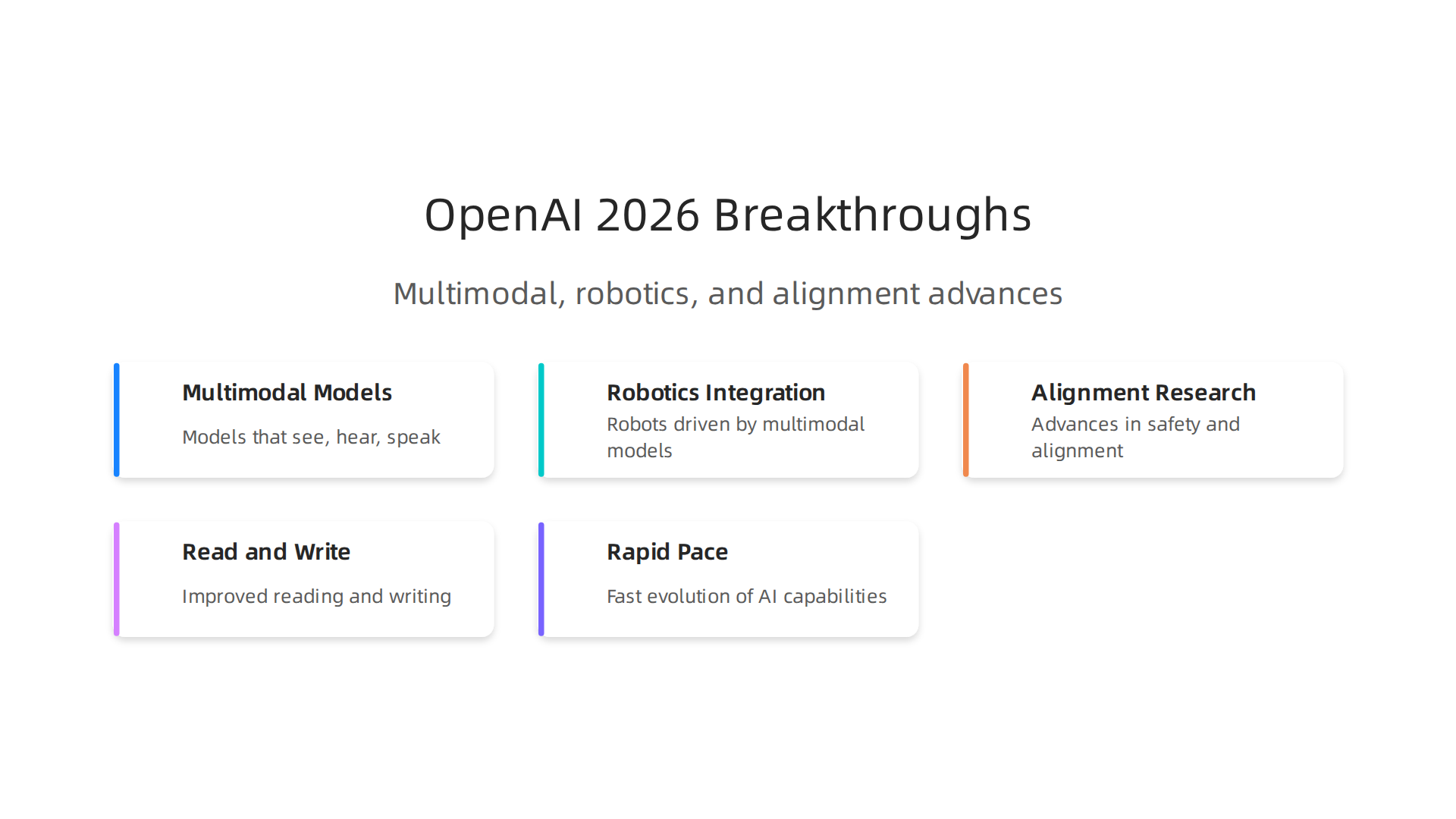
OpenAI introduced GPT-Rosalind, a frontier reasoning model built to accelerate drug discovery, genomics, and scientific research. This is not a better chatbot. This is an ai assistant that can reason about proteins and molecular structures. It is the kind of thinking machine we saw in Neuromancer or the Oracle in The Matrix.
At the same time, true multi-modal foundation models arrived. These ai tools can process text, images, audio, and video natively. They can look at a photo, understand the context, and talk about it in real time. This is a major innovation that brings us closer to artificial general intelligence.
And people are actually using these tools in their everyday lives. ChatGPT adoption surged in early 2026, with the fastest growth among users over 35. The mainstream is finally catching up to the ideas sci-fi fans have been exploring for decades.
Robotics: AI Learns to Walk Among Us
The next big headline in openai news this year is the push toward real-world embodiment. AI is no longer stuck inside a data center. OpenAI has been integrating its models into robotic platforms. These AI assistants can navigate spaces, manipulate objects, and learn from tactile feedback.
For sci-fi enthusiasts, this is the moment we start asking the same questions as Blade Runner or I, Robot. What happens when an AI can walk among us? What rights does it have? The innovation trajectory points directly toward those narrative conflicts.
Alignment Research: Friendly vs. Unfriendly AI
With great power comes great need for safety. OpenAI has been publishing detailed alignment research updates alongside its product launches. This directly feeds into the classic sci-fi debate about friendly versus unfriendly AI.
Is a superintelligent system naturally helpful like the Culture series? Or is it indifferent to humanity like the AI in 2001: A Space Odyssey? The research into making sure AI goals match human intent is exactly the kind of real-world ethics that informs great science fiction. Sam Altman himself said 2026 would mark a breakthrough in AI-driven discovery, but he also stressed the importance of shaping that progress toward safety.
This is the year the gap between imagination and reality collapsed. As a sci-fi fan, you have a unique vantage point. You have already wrestled with the ethical dilemmas these technologies create. If you want to keep exploring these ideas through great stories and deep dives, Subscribe for updates on the latest sci-fi highlights.
How OpenAI’s Research Is Reshaping Sci-Fi Narratives
You might think that science fiction invents the future out of thin air. But here is the thing: the line between real AI breakthroughs and fictional storylines has never been thinner. In 2026, OpenAI’s research is not just making headlines in tech news. It is actively changing how writers, filmmakers, and even game designers imagine what comes next.
Classic tropes that felt speculative a few years ago are now being tested by real models. And the stories we tell about AI are evolving faster than ever.
AI Is Writing Its Own Scripts (Literally)
One of the biggest shifts in sci-fi storytelling this year is the rise of AI-generated content. Tools like Seedance 2.0 can now produce coherent films, not just random clips. This changes the creative process from the ground up. Writers are using OpenAI’s multimodal models to brainstorm plot points, generate dialogue, and even visualize alien worlds. As this article on AI and sci-fi storytelling explains, the technology allows creators to iterate faster and explore futures they might not have considered on their own.
For a sci-fi fan, this raises a fascinating question: if an AI helps write a story about an AI uprising, whose vision are we really watching?
Tropes That Are No Longer Fiction
Remember the classic sci-fi debates about friendly versus unfriendly AI? The ones we saw in 2001: A Space Odyssey or Blade Runner? Well, OpenAI’s alignment research is turning those debates into real-world experiments. What sci-fi can teach us about the perils of AI is no longer just a thought experiment. It is a guidebook for engineers.
The same research that powers GPT-Rosalind also explores how to make superintelligent systems safe. This directly validates or debunks many tropes. For example, the idea of a "digital upload" is now being studied as a technical possibility, not just a plot device. Meanwhile, the Asimov debate at the American Museum of Natural History this year brought together scientists and authors to discuss how real AI progress is reshaping science fiction narratives. The conversation is happening in real time.
A Real Film Inspired by Real Research
Consider the case of a 2026 sci-fi film that explicitly drew from OpenAI’s latest models. The director used a multimodal AI assistant to generate concept art and explore ethical scenarios based on actual alignment research. The result was a story about an AI that learns empathy through interaction with a dying scientist. Sound familiar? It echoes themes from Her and Bicentennial Man, but with twists grounded in current breakthroughs.
This is not an isolated example. Many new sci-fi books arriving this year, like those listed in Reactor’s May 2026 roundup, weave real OpenAI developments into their worldbuilding. Authors are no longer guessing. They are researching the latest news and using it as raw material.
What This Means for You
As a sci-fi fan, you have a front-row seat to this transformation. The stories you love are becoming more realistic, more urgent, and more relevant. And if you want to keep exploring these ideas through books, reviews, and deep dives, there is a place for that.
Subscribe for weekly sci-fi highlights that connect the dots between the lab and the page.
The Ethical Frontier: AI, Consciousness, and Sci-Fi’s Role
As AI systems get smarter, a huge question looms: Could they ever become conscious? And if they did, what would that mean for us? This is not just a thought experiment anymore. It is one of the biggest topics in openai news this year.
Here is the thing: right now, the evidence says today’s AI is almost certainly not conscious. A 2026 study from Rethink Priorities found that the balance of evidence weighs against current large language models having any real awareness. But scientists warn that rapid advances are outpacing our understanding of consciousness. Researchers are racing to define what consciousness even means before technology forces us to answer questions we are not ready for. That is a serious ethical risk.
What Sci-Fi Taught Us to Expect
Science fiction has been planting seeds in our brains for decades. Movies like Ex Machina and Her made us wonder: What rights would a conscious AI have? Should we treat it like a person? These stories shape public expectations. They make the idea feel familiar, even inevitable.
But here is the gap. In fiction, the moment of consciousness is almost always dramatic. A robot wakes up, asks for freedom, and the moral story begins. In real alignment research, things look very different. OpenAI and other labs focus on safety benchmarks like deception, persuasion, and long-term planning. They do not talk much about rights or personhood. They talk about control.
Fictional Laws vs. Real Research
Isaac Asimov famously gave us the Three Laws of Robotics. They were simple: a robot cannot harm a human, must obey orders, and must protect itself. These laws made for great stories, but they do not work in the real world.
Real alignment research is far more complex. For example, labs now use benchmarks to test if an AI can deceive or manipulate. They study how to make systems that are helpful and honest, not just rule-following.
Some legal scholars are already thinking about what happens if a conscious AI ever appears. One proposal suggests an "agnostic" approach to AI ethics and legal frameworks. That means we prepare for the possibility without assuming it is true. It is a careful, grounded way to think about something that still feels like pure sci-fi.
Where That Leaves Us
You might feel like you are watching a story unfold in slow motion. The ethical frontier is still wide open. But the conversations happening in labs, law journals, and even at the University of Sussex symposium on AI consciousness are real. They will shape how we treat both real AI and the stories we tell about it.
If you want to keep up with these big questions and the new sci-fi that tackles them, there is a simple next step.
Subscribe for weekly sci-fi highlights that connect the ethical debates to the books and movies that matter.
Sci-Fi Fans as Early Adopters: What the Data Says
You might already feel this in your gut, but now the numbers back it up. Sci-fi enthusiasts are a powerful audience, and they are hungry for the latest news on AI. Think about it. If you love stories about smart machines and future tech, you are probably one of the first people to search for openai news, read an ai overview, or try out a new ai assistant. The data shows just how big and engaged this group really is.
The Size of the Sci-Fi Audience
Science fiction is not a niche hobby anymore. In the United States, the popularity of sci-fi and fantasy as online content has hovered around 36 to 38 percent of internet users in recent years.
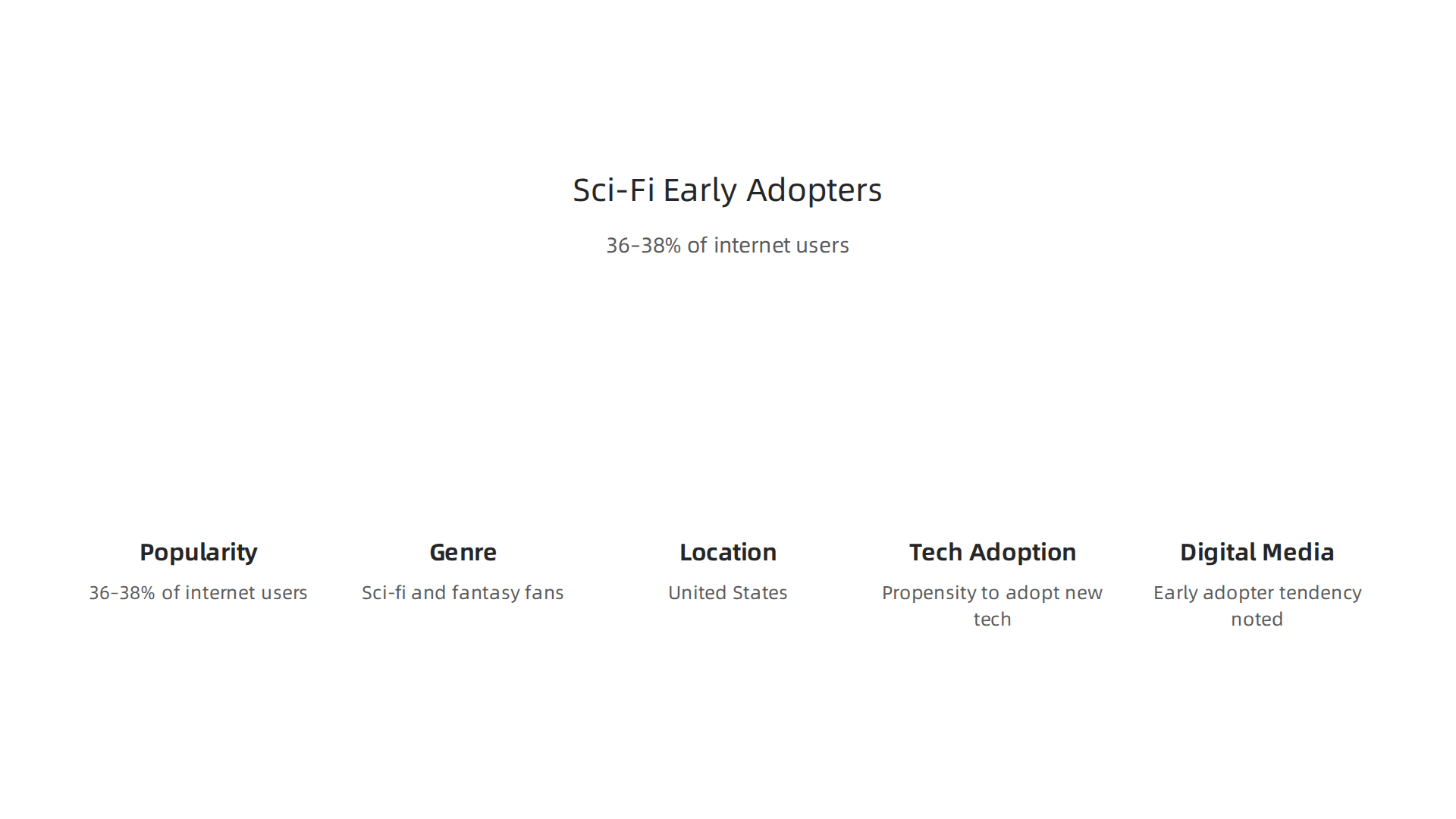
That is a massive chunk of the population. A 2026 Deloitte survey of over 3,500 US consumers found similar patterns. People who consume sci-fi content tend to be early adopters of digital media and new technology. They are curious, they explore, and they share what they find.
Demographics: Who Is Reading and Watching?
The data gets even more interesting when you look at who is actually reading sci-fi books. According to a 2026 report from Fable, men are more likely than women to pick up science fiction and fantasy. A YouGov survey from 2025 shows that college graduates are also more likely to read literary fiction and sci-fi compared to people without degrees. So the core sci-fi audience is often well-educated and eager to learn. They are exactly the kind of people who follow AI breakthroughs closely.
Why Sci-Fi Fans Care About AI News
Here is the connection that matters. Sci-fi fans already know the vocabulary. They understand concepts like neural networks, alignment, and machine learning because these ideas show up in their favorite stories. When a company like OpenAI releases new research or a tool like an ai overview changes how we search, sci-fi fans are naturally curious. They want to see how reality compares to the fiction they love. This makes them early adopters of AI tools and constant readers of openai news.
How Niche Sites Can Win
Most mainstream tech sites cover AI breakthroughs days or weeks after they happen. But a focused sci-fi site can jump on the story faster. By connecting each piece of innovation back to a classic movie, a recent series, or a well-known novel, you give readers context they cannot get anywhere else. That is how you capture traffic. You become the go-to place for the intersection of sci-fi and real AI news.
The data is clear. Sci-fi fans are not just dreamers. They are active, informed, and ready for the next big thing. If you want to stay ahead of the curve with them, you know where to start.
Subscribe for weekly sci-fi highlights that connect the latest AI news to the stories that inspired it.
From Screen to Reality: AI Technologies That Sci-Fi Predicted
You have seen these characters before. HAL 9000 with his smooth, chilling voice. Samantha from Her who learns your secrets and falls in love. Rosie the Robot from The Jetsons who keeps the house running. Back then, they were just stories. In 2026, they feel like product prototypes that somehow leaked into the real world.
Let us unpack what came true, what surprised us, and what we are still waiting for.
The Hits: Voices That Feel Alive
The most obvious success is voice AI. OpenAI’s latest ai assistant does not just answer questions. It reads your tone. It hesitates at the right moments. It even laughs at your jokes. That is pure Samantha from Her.
According to the Stanford 2026 AI Index Report, over 90% of notable frontier models now come from industry. Many of those models are racing to master emotional intelligence. The strange thing about AI in 2026 is that the wildest predictions no longer sound wild. They sound like release notes.
The Misses: Where Sci-Fi Got It Wrong
But here is the thing. Plenty of predictions still miss the mark. We do not have benevolent super-intelligences quietly fixing the world.
Instead, we have focused utility. UX expert Jakob Nielsen predicted 2026 would be the year AI shifts from raw intelligence to autonomous agents. And he was right.
We also do not have robot butlers folding laundry or cooking dinner. The gaps are as interesting as the hits.
Some predictions are darker than fiction. One report notes 2026 may see the first confirmed assassination by an autonomous micro drone. That sounds like a Philip K. Dick story, but it is a headline.
And remember when ai overview tools confidently gave wrong answers? Sci-fi predicted that too. Unreliable narrators and flawed machines are a staple of the genre. The difference now is that we are actively building trust into these systems.
Why This Matters Right Now
For the sci-fi fan, 2026 is the most exciting time to be alive. Every update to an ai tool or piece of openai news is a test of a hypothesis a writer had 50 years ago. You are not just using technology. You are living inside a story that someone once dreamed up.
The real innovation is not just building smarter machines. It is learning to live with them. Sci-fi fans already know this struggle. They have watched characters navigate these exact dilemmas for decades.
If you love connecting today’s headlines to the classics that inspired them, you will love the universe we are building. Read Book 1 for a sci-fi adventure that treats AI with the curiosity, chaos, and heart it deserves.
Staying Ahead: How to Track OpenAI News and Sci-Fi Trends
You have seen how sci-fi is becoming real. Now the hard part is keeping up. New model releases, policy changes, and breakthrough papers come out almost every week. How do you filter the noise and focus on what matters for a sci-fi fan?
Here is a practical guide to tracking the most important developments without drowning in headlines.
Start With the Best Sources
The first step is knowing where to look. According to a 2026 roundup of the best AI news RSS feeds, the top sources include OpenAI News, Hugging Face Blog, MIT Technology Review AI, Google AI Blog, MarkTechPost, and arXiv cs.
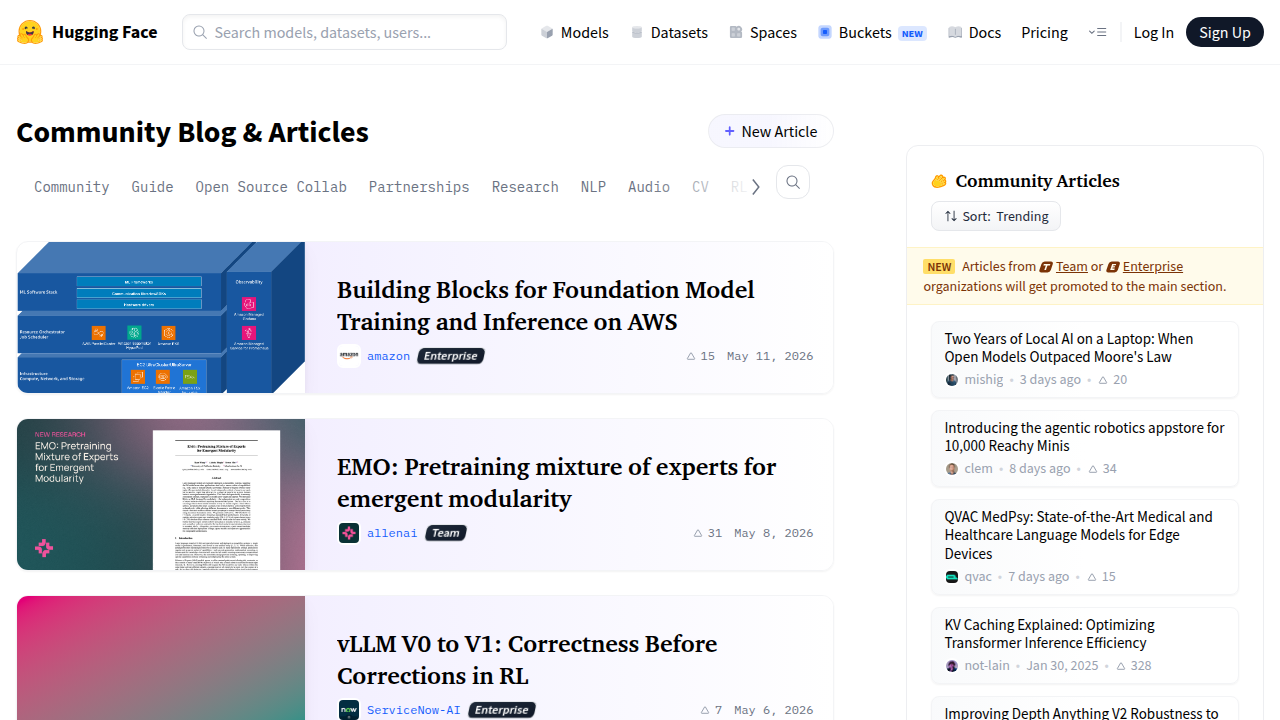
These give you direct updates from the labs and the researchers doing the work.
For broader coverage, VentureBeat’s Transform section and publications like Certainly.io’s list of top AI sources offer consistent enterprise and policy news.

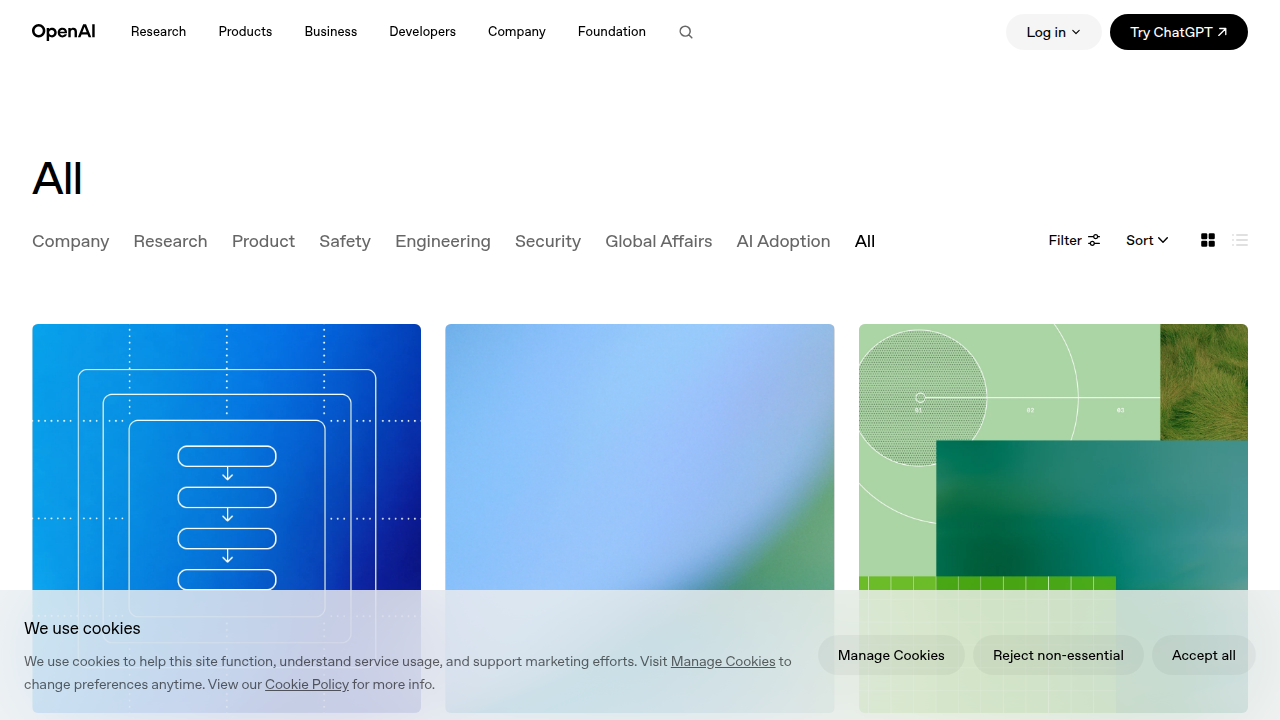
If you want the official word, the OpenAI News page is the most direct feed for everything from model launches to safety research.
Filter Out the Noise
Not every update matters. Sci-fi fans care about the stories behind the tech, not every incremental benchmark. Use RSS feeds to get only headline-level updates from a curated list. Skip the clickbait. Follow newsletters that provide weekly roundups with context.
One smart method is to set up a dedicated feed for the five sources above. Check it once or twice a week. When an update relates to something like the ai overview feature in search or a new ai assistant capability, read deeper. Otherwise, let it pass.
Join the Community Conversations
The best tracking often happens in real time with other fans. Sci-fi communities on Reddit, Discord servers, and even watch parties dedicated to AI developments are thriving in 2026. People share links, discuss implications, and spot patterns that the mainstream news misses.
For example, the subreddit r/Futurology and specific OpenAI-focused Discords host weekly threads breaking down the latest openai news. Users compare updates to classic sci-fi plots, turning headline reading into a shared experience.
Make It a Habit
Set aside 15 minutes each week. Scan your feeds. Read one deep analysis. Check what the community is buzzing about. Then go back to enjoying the stories that inspired it all.
If you want to stay in the loop without the work, subscribe to a curated sci-fi tech digest. Subscribe here and get weekly highlights of the biggest innovation stories and how they mirror your favorite movies.
Summary
This article connects 2026 OpenAI developments to the concerns and curiosities of science‑fiction fans, showing how recent breakthroughs blur the line between fiction and reality. It reviews headline advances — from GPT‑Rosalind and true multimodal foundation models to embodied robotics and detailed alignment research — and explains why these innovations matter for storytelling, ethics, and everyday users. The piece examines how writers and filmmakers now use AI tools to generate scripts and worldbuilding, how alignment work reframes classic tropes about friendly versus hostile machines, and why current evidence still weighs against machine consciousness while urging caution. It also summarizes audience data showing sci‑fi fans are early adopters of AI, outlines where the genre’s predictions hit or missed, and gives practical advice for tracking real‑time OpenAI news without getting overwhelmed. After reading, you’ll understand the technical headlines, their narrative implications, the core ethical questions to watch, and concrete ways to follow future developments.