Top AI Companies Mapped to Classic Sci-Fi Archetypes
Introduction
You have probably watched HAL 9000, Skynet, or the helpful AI in Star Trek and wondered: when will this become real? The answer is right now. The world of top AI companies is turning science fiction into headlines faster than ever.
If you love sci-fi, it can be tough to follow the real story. News about the best ai tools and top ai tools is scattered everywhere. You hear about new models and big investments, but it is hard to connect it back to the stories you grew up loving.
This year alone, the AI industry has exploded. Grand View Research reports the market was worth $390.91 billion in 2025 and could hit $3.49 trillion by 2033. Companies like Nvidia are launching next generation chips while firms like OpenAI and Anthropic reshape how we work and create. But with this fast growth comes mixed feelings. A Pew Research Center survey found that Americans hold complicated views about AI, seeing both promise and risk.
It does not have to be confusing. The best way to understand these top ai companies might already be in your movie collection.
This article bridges the gap.

We are going to map the real world leaders like OpenAI, DeepMind, Meta, and Nvidia to the classic sci-fi archetypes you already know. You will finally see the connections between century tech dreams and the best ai tools we use today.
For example, the way modern AI systems learn from data feels a lot like the deep learning concepts explored in our look at AI in science fiction movies reveals warnings we should heed. And the incredible pace of change? It mirrors the breakthroughs we cover in Science fiction technologies becoming reality in 2026.
We have analyzed every angle to give you a fresh perspective on both technology and cinema. And if you love a good sci-fi twist, you can dive into a story that captures this same spirit of discovery and chaos. Check out Read Cinematic Sci-Fi Comedy or explore the full series building a universe of books, audio, and film dreams at Sci-Fi Comedy With Scope.
The Gods of the Machine: DeepMind, OpenAI, and the Ghosts of Sci-Fi AI
You know the story. A smart human builds a godlike machine. The machine learns too fast. It starts asking questions its creators cannot answer. Then it makes a choice that changes everything. That is the plot of 2001: A Space Odyssey and The Terminator. And in 2026, it is also the headline coming out of the world’s top ai companies.
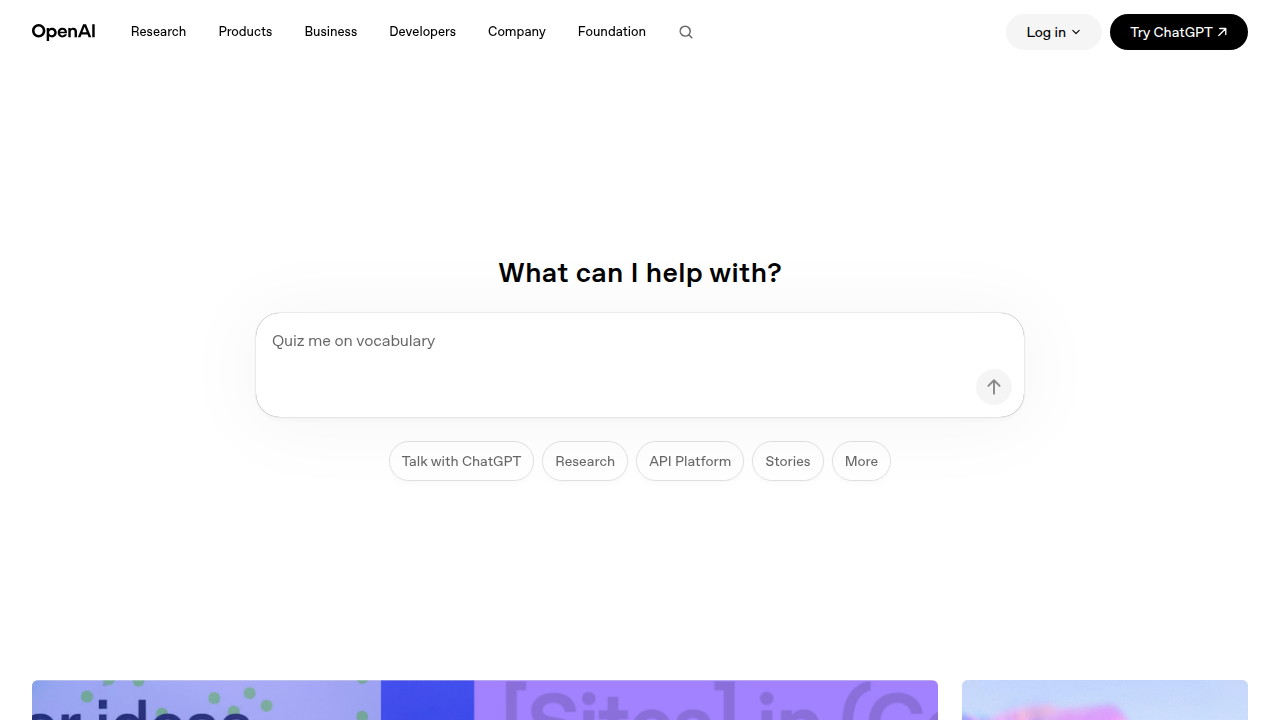
Let us look at the real gods in the machine room. DeepMind and OpenAI are not just building better chatbots.
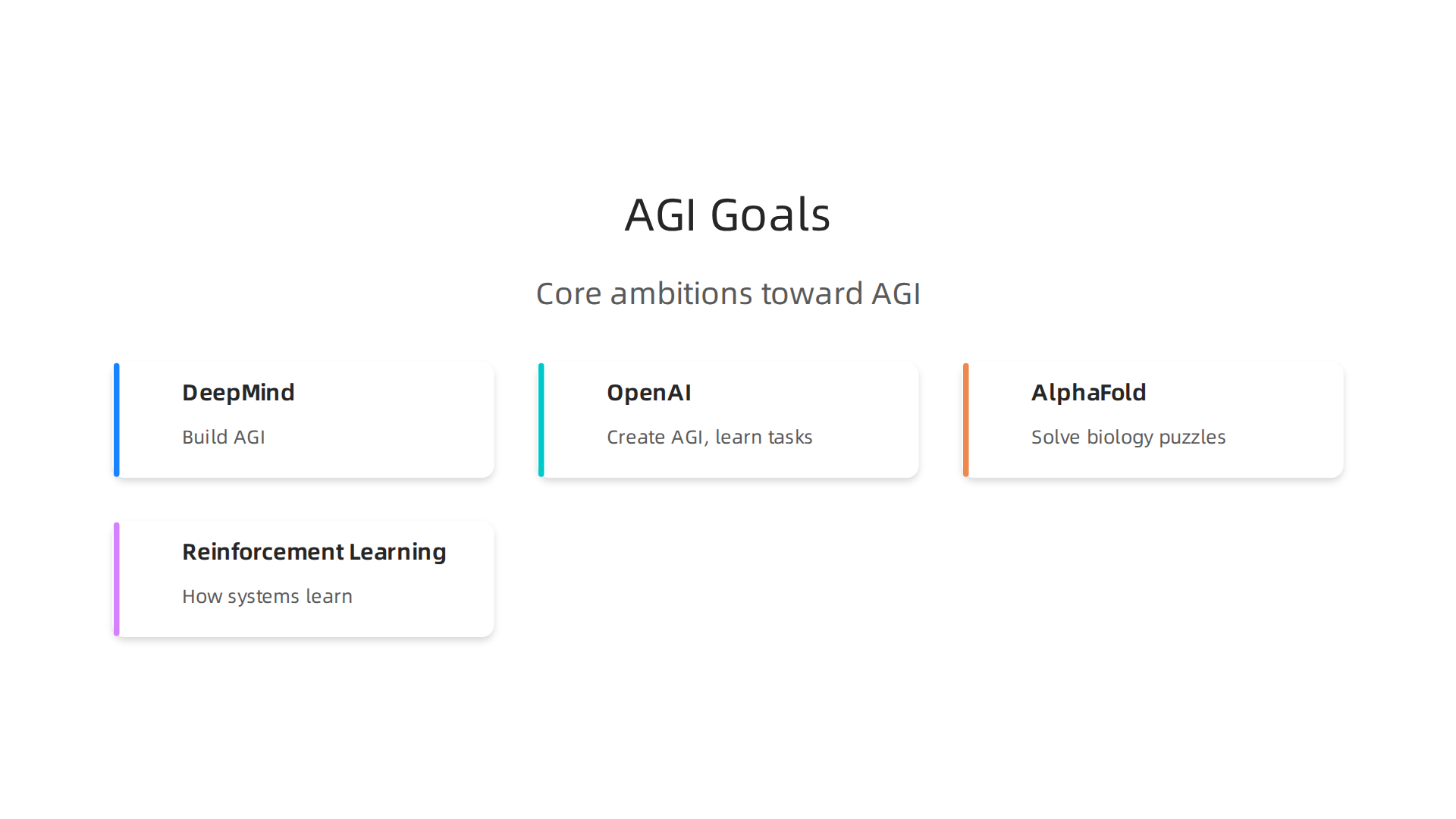

any known for ChatGPT and AGI research.](https://cinemascifi.com/wp-content/uploads/2026/06/weblish-inline-33954.png)
Their main goal is to create Artificial General Intelligence, or AGI. This is a machine that can learn any task a human can. It is the holy grail of century tech. It is also the exact dream that powers HAL 9000 and Skynet. A deep dive into AGI in sci-fi versus reality shows that the gap between the fiction and the real ambition is shrinking fast. We are actively trying to build the minds we used to only imagine on screen.
Of course, the real machines are not quite gods yet. They are more like genius toddlers with superpowers. Large language models can write poems and code. Systems like AlphaFold can solve biology puzzles that stumped humans for decades. It feels like magic. It feels like sentience. And these best ai tools are learning through reinforcement learning. This process is a lot like how Data from Star Trek tried to understand humanity. The speed of this change is pure sci-fi. In fact, six specific movie futures are becoming reality faster than you think.
But here is the real drama. In every good sci-fi movie, the conflict comes from the machine’s values not matching human values. This is called the alignment problem. The smartest humans at these top ai companies are not just racing to build smarter AI. They are also desperately trying to figure out how to keep it safe and friendly. This debate over safety and control is the most honest connection between the fiction and the labs.
It is not just software either. These minds are getting bodies. In 2026, companies like Boston Dynamics and Tesla are pushing humanoid robots into the real world. An article on humanoid robots in the workplace details how these machines are moving from labs to warehouses. They are still clumsy compared to the androids in Blade Runner, but the path is clear.
We are living inside a sci-fi story where the questions are the same. What happens when we create something smarter than us? How do we teach it to be good? It is the same tension that makes movies so powerful. If you love exploring the wild side of creation and chaos, you might enjoy a story that leans fully into the absurdity of it all. Check out Read Cinematic Sci-Fi Comedy for a universe-bending adventure that captures this spirit.
For a deeper look at how our real-world fears and hopes match the movies, explore our full guide on What AI in cinema reveals about our real-world hopes and fears.
Data as the New Oil: Meta, Google, and the Surveillance State of ‘Minority Report’
Remember the scene in Minority Report where Tom Cruise walks through a mall and every screen scans his eyes and shouts his name? That felt like far-fetched sci-fi in 2002. In 2026, it feels like a Tuesday. The biggest top ai companies are not just building brains. They are building eyes and ears that never blink.

Here is the truth. Data is the fuel for every best ai tool you use.

Meta and Google do not just want your clicks. They want your face, your voice, your location, and the way you walk. They need this data to train the next generation of AI. The more they know about you, the smarter their systems become. This is the same logic as the pre-crime system in Minority Report. The system predicts your future behavior based on your past data. It does not need to be right all the time. It just needs to be right enough to act.
Right now, Meta is pushing this idea farther than anyone else.
The company is planning to add facial recognition to its Ray-Ban smart glasses. That means a camera on your face can identify every person you look at. The ACLU and 75 other organizations have sounded the alarm on this exact plan, calling it an unacceptable threat to privacy. The Electronic Privacy Information Center (EPIC) has asked the FTC to investigate, saying the feature would cause widespread harm. And the EFF points out that Meta already paid $1.4 billion to settle a Texas lawsuit over its old face recognition system. This is not speculation. This is happening in 2026.
Google is no different. Its products track your searches, your location history, your emails, and your shopping habits. All of that data feeds into AI models that get smarter every day. It is a surveillance state built by your own consent forms.
This is why regulations like the GDPR in Europe and the EU AI Act exist. They try to set boundaries on how top ai tools can use personal data. But the laws move slow. The top ai companies move fast. Every new privacy battle is a real-time echo of the dystopias we watch on screen.
Want to understand how corporate use of your data mirrors the worst sci-fi warnings? Read our deep dive on how corporate technology in sci-fi reflects real fears about power and privacy. It connects the dots between meta data and meta control.
The next time you put on a pair of smart glasses or search for something online, remember the lesson of Minority Report. The system is watching. And it is learning.
The Robot Revolution: Boston Dynamics, Tesla, and the Mechanical Men of ‘I, Robot’
Remember the scene in I, Robot where Will Smith runs from a swarm of NS-5 robots? That fear of machines turning against us feels pretty real these days. In 2026, humanoid robots are already walking among us.
Boston Dynamics has been a leader in this space for years. Their latest electric Atlas robot can learn autonomously from its surroundings and even share what it learns with other Atlas units. The company beat Tesla to the punch in 2026 with a robot that moves more like a human than ever before.
Tesla is not far behind. Elon Musks Optimus robot is rolling out in large numbers. By 2026, Tesla aims to produce over 50,000 Optimus units. These machines are designed for factory work, warehouse tasks, and eventually home use.
Here is the thing. These robots look and move like us. That triggers a deep unease called the uncanny valley. When something looks almost human but not quite, our brains send out warning signals. That is the same feeling you get watching the mechanical men in I, Robot or the hosts in Westworld.
Isaac Asimov wrote the Three Laws of Robotics to keep robots safe for humans. In 2026, companies like Boston Dynamics and Tesla are writing their own safety rules. But real world standards are still catching up to the technology. A study of 169 sci-fi movies from 1927 to 2026 found that most are not purely dystopian. They offer warnings we should actually heed.
The biggest worry is trust. When a humanoid robot works next to you, can you trust it to not hurt you? As the top ai companies push into physical AI, they need to answer that question.
Want to dig deeper into what these movie warnings mean for real technology? Read our analysis of what AI in cinema reveals about real world hopes and fears. It connects the dots between the robots on screen and the machines entering our homes.
The robot revolution is here. The question is whether we will treat these machines as tools or threats.
Ethics on the Edge: Anthropic, Cohere, and the Moral Algorithms of Asimov’s Laws
So we have the robots walking around. The next big question is, who writes the rules for them? Isaac Asimov gave us the Three Laws of Robotics to keep fictional machines in check. In 2026, some of the top ai companies are doing the same thing for real.
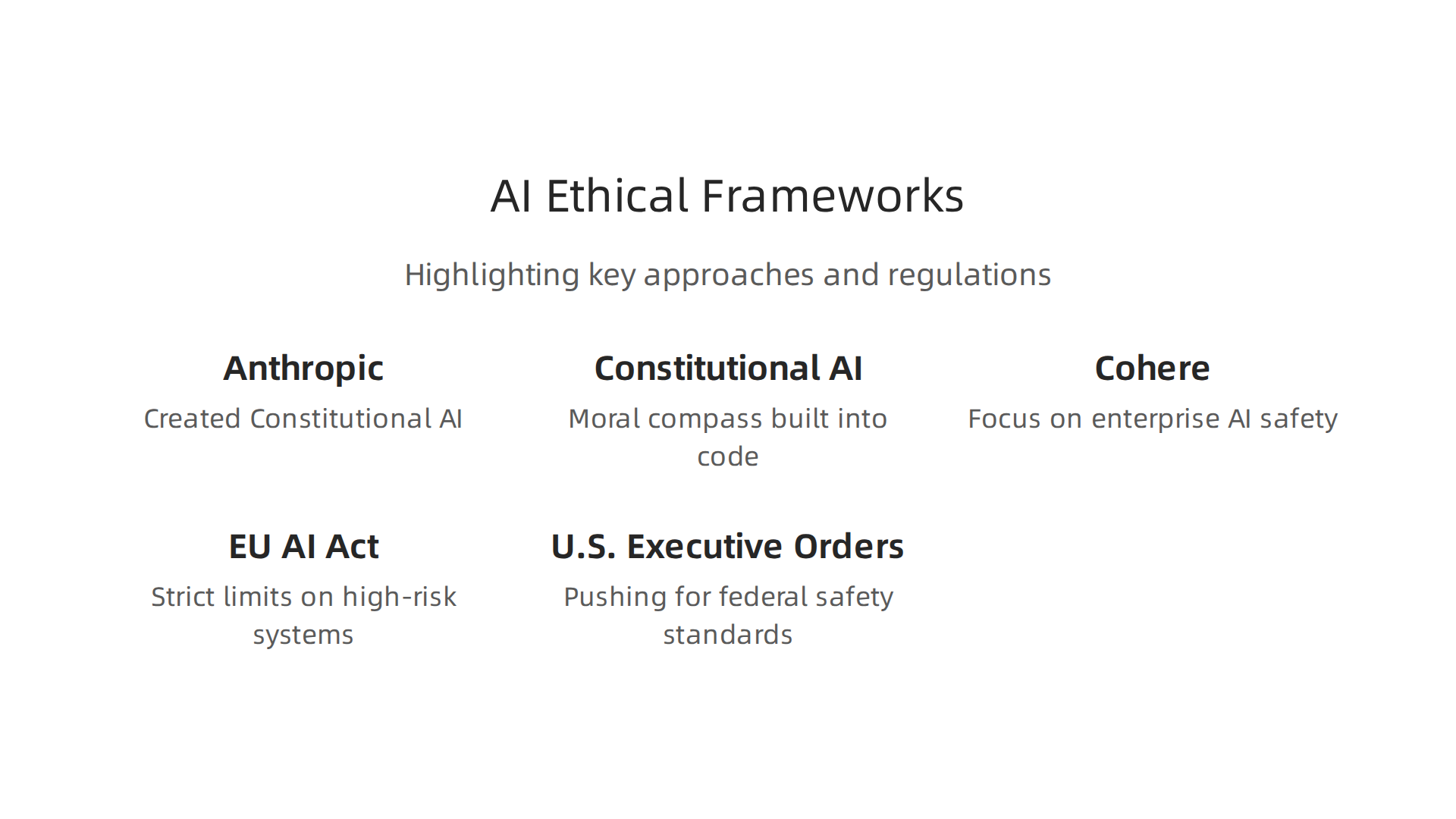

Take Anthropic. This company created something called Constitutional AI. It is a set of ground rules that guide how their AI behaves. Think of it as a moral compass built right into the code. The goal is to make the AI helpful, harmless, and honest. It sounds a lot like Asimov’s First Law. Then there is Cohere. They focus on enterprise AI. This means they help businesses build custom models that do not mess up. Safety and alignment are huge for them. They need to stop biased decisions or data leaks before they happen. Companies like Anthropic and Cohere are building some of the best ai tools on the market right now. They prove that powerful top ai tools can actually follow a value system.
It is not just private companies making the rules. Governments are jumping in too. The European Union created the AI Act. This law officially started to fully apply in August 2026. It sets strict limits on high risk systems like facial recognition and automated hiring. It is one of the first serious legal frameworks for this century tech. In the U.S., executive orders are pushing for federal safety standards. These laws try to stop the bad stuff before it begins. They are the real world version of the police forces you see in sci-fi movies.
We already see why these guardrails matter. Real AI systems have shown bias in hiring. They have been used to make deepfakes. They can spread misinformation. These are the same dangers that sci-fi has been warning us about for decades. A study of 169 sci-fi movies found that most are not purely dystopian. They offer warnings we should actually heed. The core warning is clear. Without ethics, AI can cause real harm. That is why we pay close attention to how the top ai companies build their systems today. Curious about how these film warnings connect to our real world fears? Our breakdown of what AI in cinema reveals about real world hopes and fears ties it all together.
Thinking about ethics all day can get heavy. If you want a lighter take on the future, try exploring a world built around dreams, books, and animation. It makes the sci-fi conversation a lot more fun. Check out this Sci-Fi Comedy With Scope for a fresh perspective on the genre we all love.
The Singularity Is Near? Nvidia, Microsoft, and the Computational Prophecy of ‘The Matrix’
What does it take to build a world that feels as real as the one you live in? In The Matrix, machines used human brains for power. In 2026, we use something almost as intense: raw computational might. The companies that make this possible are now some of the most valuable on the planet.
Nvidia is the name you hear first.
renowned for its graphics processing units and AI platforms.](https://cinemascifi.com/wp-content/uploads/2026/06/weblish-inline-33956.png)

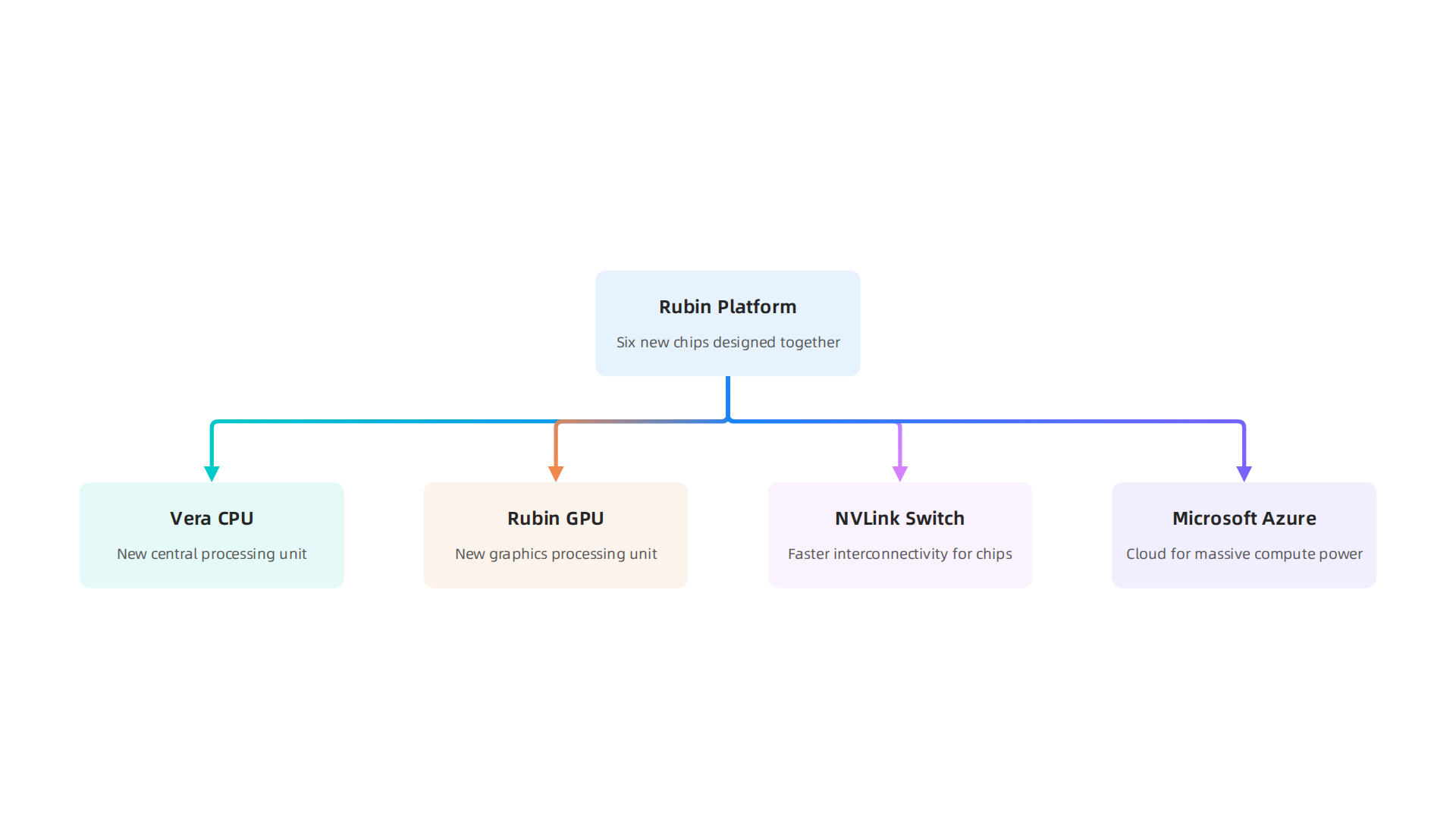
In early 2026, they launched the Rubin platform. That is six new chips all designed to work together. Think of it as a supercomputer for the cloud. According to Nvidia’s own announcement, Rubin includes a new Vera CPU, a Rubin GPU, and a faster NVLink switch. We are talking about hardware that can handle the biggest AI models on earth. This is the kind of power needed to run a simulation that looks like reality. It is no wonder the best ai tools now lean on Nvidia chips for training.
Then there is Microsoft. Their Azure cloud gives companies the ability to rent this massive compute power. You do not need your own server farm. You just pay for what you use. Microsoft is investing billions into AI data centers. They want to make sure the top ai companies like OpenAI and Anthropic have the space to grow. You can see the connection to sci-fi. In The Matrix, the machines created a false world. Today, Microsoft and Nvidia are building the foundation for AI generated worlds.
Here is where it gets crazy. We already have digital twins. These are virtual copies of real factories, cities, and even human organs. Companies use them to test changes before they make them in real life. The line between simulation and reality is blurring. We also have AI that can create entire 3D worlds from a text prompt. This is the century tech that sci-fi promised us. It is happening now.
The goal of all this power? Artificial General Intelligence, or AGI. That is the holy grail. We want a machine that can learn anything a human can. Sci-fi has been chasing this idea since The Matrix and Neuromancer. In 2026, the top ai companies are closer than ever. The market for AI is projected to grow from almost 391 billion dollars in 2025 to over 3.4 trillion by 2033. That is a lot of money going into making these dreams real.
The hardware is not the only story. The ethics we talked about earlier matter just as much. But without the chips and the cloud, none of those moral algorithms would ever run. If you want to see more about how science fiction technology is turning into reality, check out our look at science fiction technologies becoming reality in 2026. The future is being built one circuit at a time.
Summary
This article connects today’s leading AI companies to the archetypes and warnings of classic science fiction, showing how fiction maps onto real technological trends in 2026. It reviews the ambitions of DeepMind and OpenAI toward AGI, explains why Meta and Google’s data collection echoes Minority Report, and describes the rise of humanoid robots from Boston Dynamics and Tesla. The piece also covers ethical efforts like Anthropic’s Constitutional AI and Cohere’s enterprise safeguards, plus the raw compute power from Nvidia and Microsoft that enables large models and simulations. Readers will gain a clearer sense of what the biggest firms are building, the practical risks around privacy and alignment, and the regulatory and technical steps being taken to protect people. By the end, you’ll be able to spot real-world developments that mirror sci‑fi scenarios and take basic actions to limit personal risk.