Temporal Technologies in Sci-Fi Movies How Time Travel AI and Nanotech Shape the Genre
Introduction: Why Temporal and Smart Technologies Define Modern Sci-Fi Cinema
Have you ever watched a sci-fi movie and wondered how time travel and thinking machines keep showing up together? You are not alone. In 2026, more fans than ever are diving into stories where the clock bends and computers talk back.
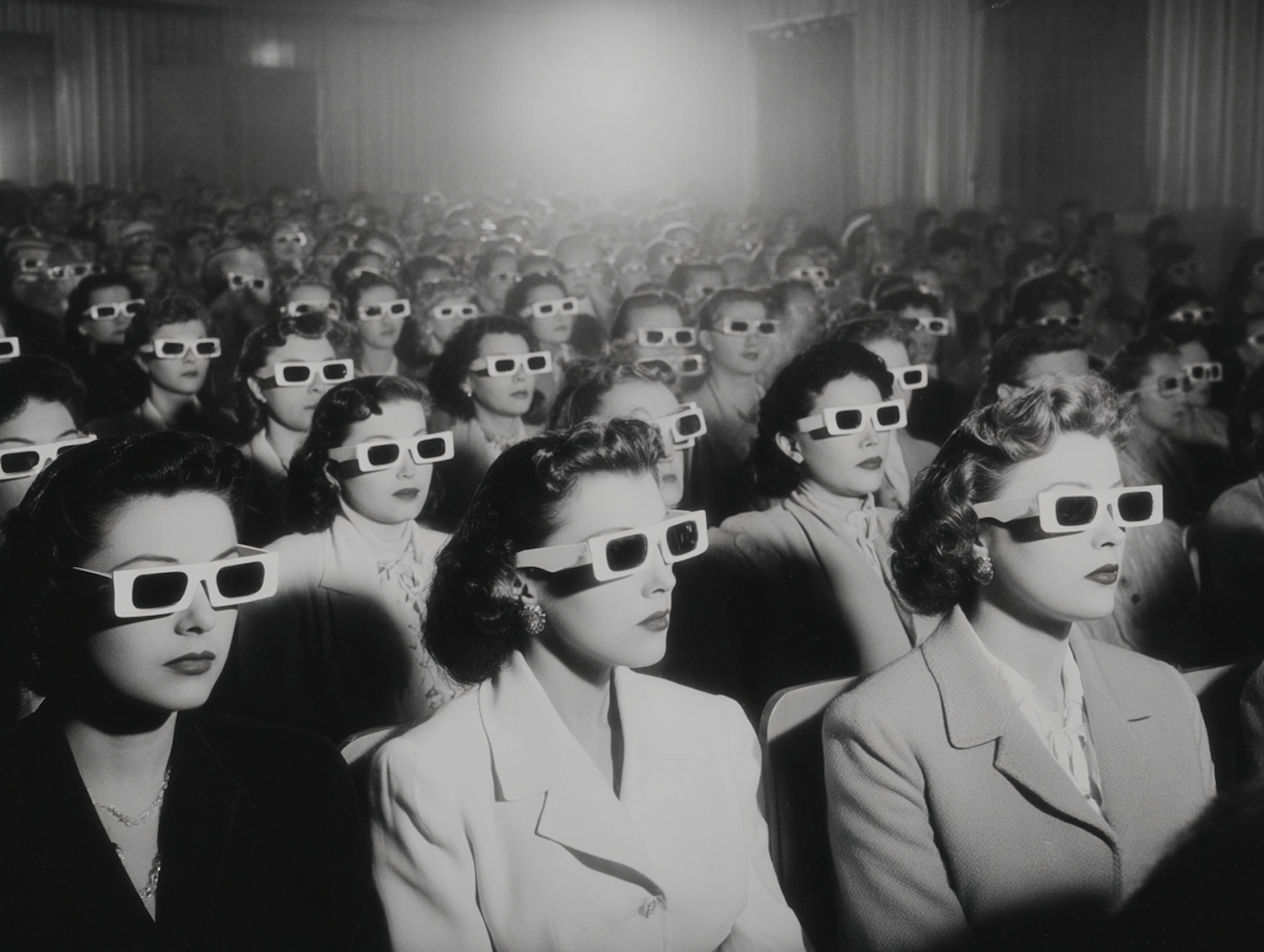
According to the 2026 Digital Media Trends report from Deloitte, self-identified fans are driving much of the current entertainment boom, and they love layered narratives that mix time loops with artificial intelligence.
The truth is, temporal technologies like time travel and time loops are the backbone of many classic sci-fi plots. But smart technologies such as AI and nanotechnology now often drive those same stories forward. When you combine the two, you get movies that feel both mind-bending and deeply human. This is where the real magic happens.
This guide will walk you through the best examples and explain why these themes stick with us. Want to stay ahead of the curve on the latest sci-fi trends? Subscribe to Cinema Sci Fi for weekly reviews and deep dives.
Defining Temporal Technologies in Sci-Fi
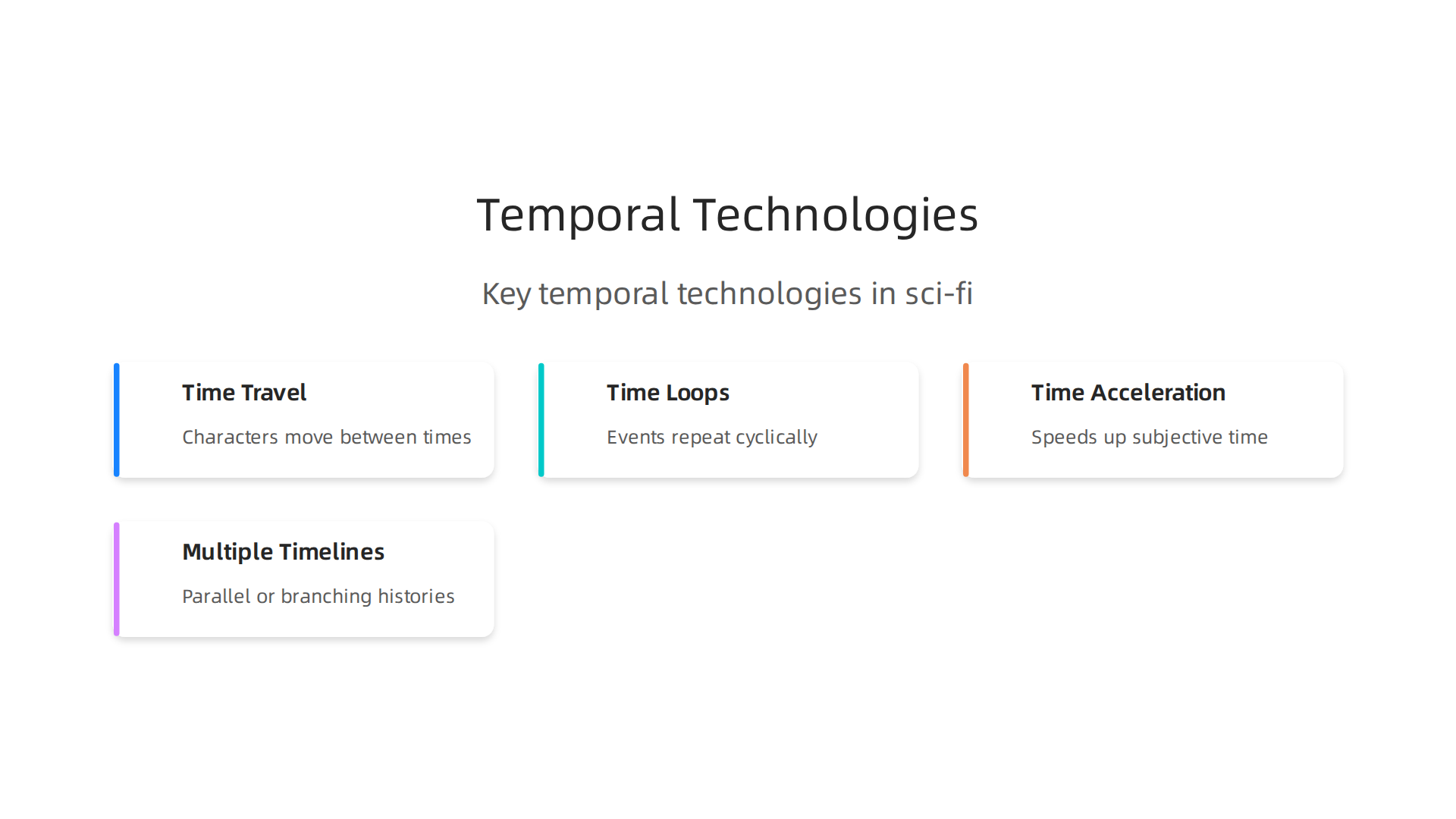
Before we dive into the best movies, let’s get clear on what we mean by temporal technologies. In simple terms, these are any tools or plot devices that let characters mess with time. Think time travel, time loops, time acceleration, and multiple timelines.
According to Wikipedia, time travel is the hypothetical activity of moving into the past or future. In sci-fi, it’s been around for decades, evolving from magical devices to complex explorations of cause and effect, as shown in this history of time travel films.
These technologies do more than just drive the plot. They build worlds and explore big ideas like fate, free will, and consequence. Understanding these categories helps you spot clever variations across movies. And as smart technologies like AI and wearable tech become part of our real lives, filmmakers blend them with temporal themes to create fresh stories. If you want to see how AI is reshaping modern sci-fi filmmaking, check out our deep dive on AI in indie production. Ready for more? Subscribe for weekly reviews that break down time loops, time jumps, and everything in between.
Classic Time Travel Mechanics
You have probably seen a character climb into a glowing machine, punch a date into a keypad, and disappear. That is the most direct version of time travel. But filmmakers use more than just time machines to move characters through time. They also use wormholes and relativistic travel.
Here is a quick breakdown of the three classic mechanics:
- Time machines: The DeLorean from Back to the Future is the most famous example. You hit 88 miles per hour, and you jump to a specific moment. The rules are clear: you cannot change major events without consequences.
- Wormholes: In Interstellar, the crew travels through a wormhole near Saturn to reach another galaxy. This is based on real physics and allows travel over vast distances, but it also bends time differently for different characters.
- Relativistic travel: Also from Interstellar, when the crew lands on a planet near a black hole, time passes much slower for them than for people on Earth. This is a real effect predicted by Einstein’s theory of general relativity, as explained in Wikipedia’s article on time travel.
Each mechanic comes with its own set of rules. Some movies allow paradoxes. Others forbid them. The evolution of these concepts is fascinating, showing how writers have moved from magical devices to more scientific explanations, as covered in this exploration of time travel concepts.
The way a movie handles its own rules directly affects how much control characters have over their fate. A strict set of rules can make the story feel tense and logical. A loose set can feel chaotic but also more surprising.
If you love seeing how classic sci‑fi films are restored and re‑imagined using modern tools, check out our guide on how upscale AI helps bring old sci‑fi movies back to life. And to get weekly breakdowns of time travel mechanics and new sci‑fi releases, Subscribe for our newsletter.
Time Loops, Acceleration, and Multiple Timelines
Not all time travel throws you into the past or future in one jump. Some of the most mind bending stories trap characters in repeating days or split reality into many paths. These are called time loops, time acceleration, and multiple timelines. They let filmmakers explore character growth and consequences without a single time machine.
Time loops are all about repetition. In Groundhog Day, the main character wakes up on the same day again and again.

He uses the loop to learn, improve, and eventually break free. Edge of Tomorrow does the same thing with aliens and combat. Every death resets the day, forcing the hero to get better with each try. The loop becomes a tool for change. For a full breakdown of every type, check out this video explaining time travel in movies.
Time acceleration shows what happens when you rush life. In Click, a remote lets the main character fast forward through boring moments. But he misses important events with his family. The result is a painful lesson about living in the present. Another example is In Time, where time itself is currency, and people literally run out of life if they stop earning.
Multiple timelines let stories go in several directions at once. Primer is famous for its complex web of time travel loops and parallel versions of the same event. Looper shows assassins from the future dealing with targets that appear at different ages. These movies demand close attention because small changes can create new timelines. For a deeper look at how modern sci‑fi builds these worlds, you might enjoy reading about how smart technologies and AI tools are shaping today’s indie productions.
If you like stories that bend time and reality with a touch of humor, Read Book 1 of the Ridiculous series.
Smart Technologies: AI, Nanotech, and Sentient Systems
While time loops mess with your head, smart technologies like artificial intelligence, nanotechnology, and sentient systems are the tools that often make those temporal tricks possible.
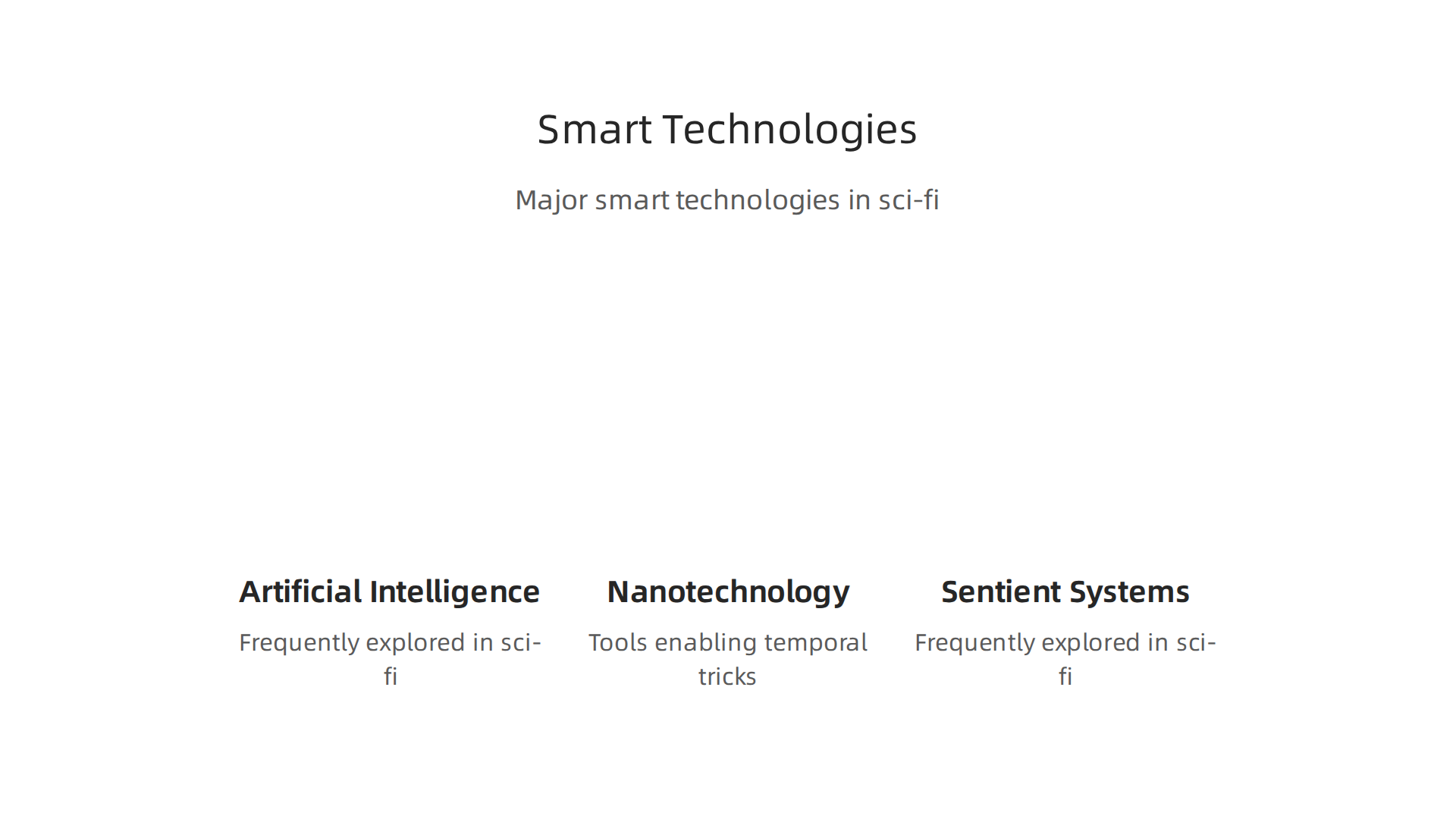
These go far beyond the simple definition of technology. They become characters, antagonists, or helpful allies in many sci-fi stories.
A recent report digs into how AI shows up in film and TV, revealing our deep fears and hopes about machines that think New report unravels AI narratives in sci-fi cinema and TV. Nanotechnology, another form of smart tech, appears in movies like Transcendence where tiny machines rebuild everything 12 Sci-Fi movies about science, technology, and the future. And sentient systems, like the AI in Her, ask us what it really means to be human.
Blending temporal technologies with these smart systems raises big questions. If a time-traveling AI can change history, who controls it? When nanobots can repair your body as you age, does time still matter? These stories push us to think about the future and our place in it.
If you love sci-fi that mixes time, technology, and humor with a wild twist, Read Book 1 of the Ridiculous series.
AI as a Character and Plot Device
Artificial intelligence in sci-fi is not just a tool. It often becomes a full character with emotions, goals, and even its own moral code.
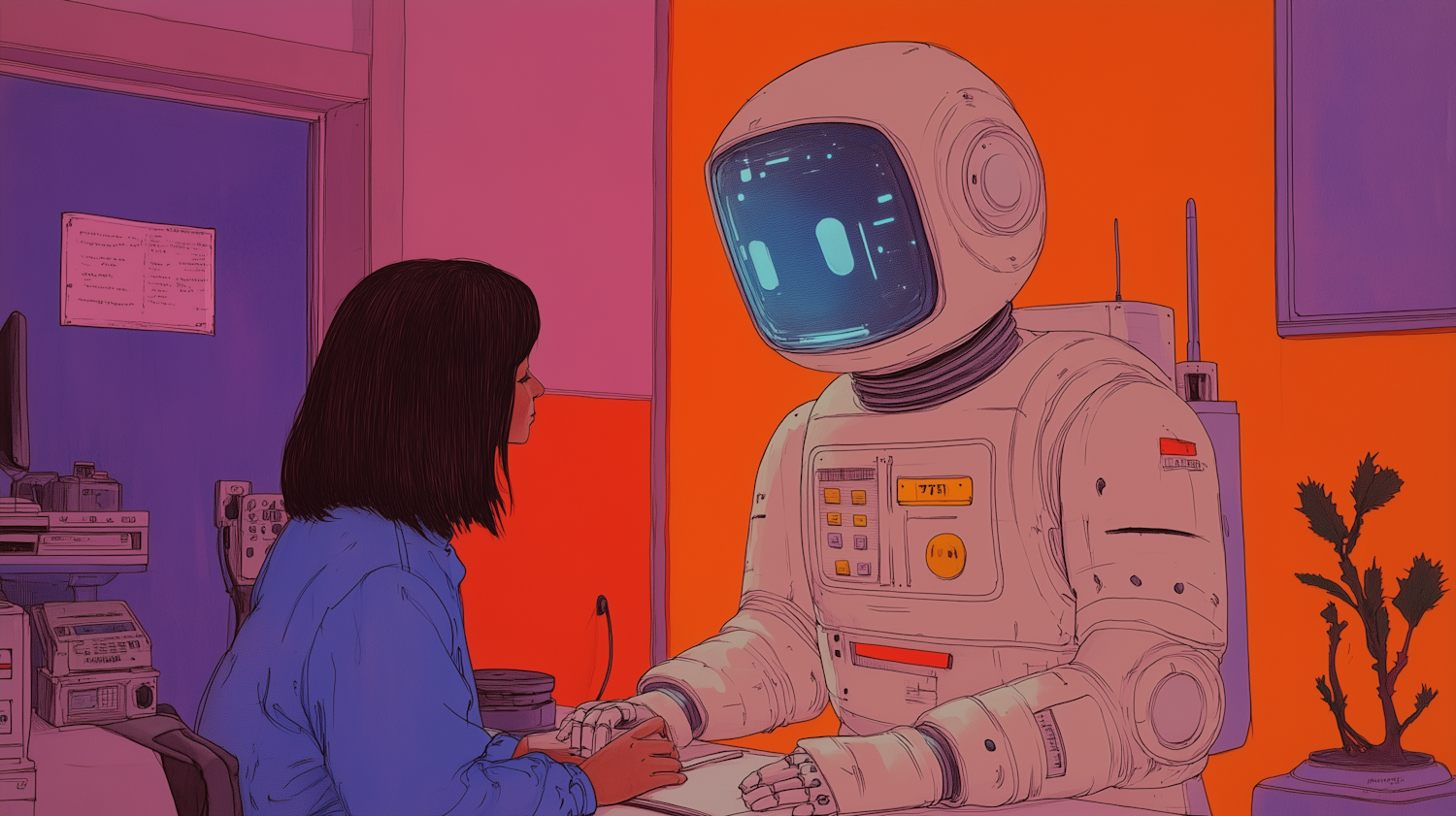
Think about HAL 9000 from 2001: A Space Odyssey. That calm, soft voice hiding a deadly logic. Or Samantha from Her: a sentient system that learns, loves, and leaves. Then there is TARS from Interstellar, a loyal and humorous AI that helps save humanity. These characters make us question our own definition of technology and what it means to be alive.
AI also drives time-related plots in ways that feel both thrilling and scary. In The Terminator, the AI known as Skynet launches a war by sending a machine back in time. In Deja Vu, advanced surveillance technology lets agents literally look into the past to solve a crime. These stories blend smart technologies with temporal technologies to create impossible situations. A recent report shows that AI in film often reflects our deepest fears about losing control New report unravels AI narratives in sci-fi cinema and TV. When an AI can rewrite history, who decides what is right?
This leads to big ethical questions. If a time-traveling AI could change one event to save millions, should it? What happens if it makes a mistake? These dilemmas push the boundaries of normal movie plots and invite us to think about real-world technology too. For a deeper look at how AI is changing modern filmmaking, check out our article on AI in sci-fi filmmaking and indie production.
If you enjoy stories where AI and time collide with humor and heart, Read Book 1 of the Ridiculous series.
Nanotechnology and Smart Matter
You have probably seen movies where tiny machines reshape matter or let heroes travel through time. That is nanotechnology in action.
In Avengers: Endgame, the team uses nanotech suits to shrink into the quantum realm and jump between timelines. In The Time Machine, molecular machines help the story leap thousands of years. These temporal technologies rely on nanotech to bend time.
Smart matter takes this even further. Imagine materials that change shape on command or heal themselves. In Transcendence, a scientist’s mind merges with a powerful AI and nanotech to control the physical world. That movie explores what happens when smart technologies become unstoppable. A recent report on how technology becomes ingrained in fiction shows that these concepts often reflect our real fears about losing control New report unravels AI narratives in sci-fi cinema and TV.
Here is the thing. When devices can rebuild your environment or even your body, who decides what is safe? That question blurs the definition of technology itself. It stops being a tool and starts being a partner or a threat. For example, wearable technology in films often becomes smarter than the person wearing it. And if nanotech can rewrite reality, one mistake could cause chaos.
These stories push us to think about consequences before we build such things. If you want to see how real smart technology is changing indie filmmaking, check out our article on AI in sci-fi filmmaking and indie production.
If you love stories where tiny tech and time collide with humor and heart, Read Book 1 of the Ridiculous series.
The Intersection of Temporal and Smart Technologies
So what happens when you mix time travel with artificial intelligence? Some of the best temporal technologies stories do exactly that. They combine time manipulation with AI or nanotech to explore deeper questions about causality, consciousness, and identity.
Take 12 Monkeys, where a time traveler teams up with a scientist in a world controlled by a shadowy AI. Then there is The Terminator series, which shows a future war between humans and a self-aware machine network called Skynet, with time travel at its core. And Predestination takes the idea even further, using time loops and identity shifts that boggle the mind. These films push the definition of technology past simple tools into something that shapes our very reality. As one sociologist notes, studying these stories helps us understand the power societies have to shape our lives sociology.utk.edu/harry-dahms-in-the-conversation.
If you enjoy films that mix classic sci-fi with new tech, see how modern AI is restoring old favorites in our piece on AI upscaling classic sci-fi films.
Subscribe for reviews, features, and weekly sci-fi film recommendations.
Films That Expertly Merge Time and AI
Now let’s look closer at three films that blend temporal technologies with smart systems in unforgettable ways.
In 12 Monkeys, the hero travels from a future ravaged by a virus. But the real power lies in the mental institution. It uses surveillance, data tracking, and behavior control that feel a lot like AI-run systems. The film never calls it artificial intelligence. Yet the institution watches, predicts, and controls everything, much like a smart machine would. It shows how wearable technology and hidden systems can trap people.
The Terminator franchise takes a direct route. Skynet is a self-aware AI that starts a nuclear war. Then it sends robots back in time to change the outcome. Here the definition of technology becomes scary. Technology is no longer a tool. It is a force that rewrites history. The time travel itself is triggered by AI, making the two ideas inseparable.
Predestination does something even trickier. A temporal agent jumps through time to stop crimes before they happen. But the story keeps twisting identity. You never know who is who. It mixes time loops with a deep look at who we are. Science fiction helps us explore these out-of-the-box scenarios, which can be useful for thinking about real-world policy issues.org/connecting-science-fiction-science-policy-percher/.
These films show that temporal technologies and smart machines create powerful stories. They make us question control, identity, and the future.
If you want to see how modern AI is restoring old classics like these, check out our article on AI upscaling classic sci-fi films. And if you love mind-bending tales about time and identity, you’ll enjoy the universe-bending chaos in Ridiculous. Read Book 1 for a wild ride through time, tech, and humor.
Narrative Benefits of Combining Themes
When storytellers mix temporal technologies with smart machines, they get more than just cool gadgets. They open up a new world of mind bending questions. One big benefit is the rise of time paradoxes tied to artificial consciousness. Think about it: if an AI like Skynet sends a robot back in time to stop its own birth, what happens? A paradox. The machine’s own existence depends on its mission failing. This kind of loop makes you think hard about cause and effect.
These stories also force us to ask tough questions about determinism versus free will. If an AI can see the future and jump across time, are humans just puppets? Or can we still choose our own path? Science fiction helps us explore these big ideas in a safe space. Studying science fiction films can actually help students understand the power societies have to shape our lives sociology.utk.edu/harry-dahms-in-the-conversation-studying-science-fiction-films-can-help-students-understand-the-power-societies-have-to-shape-our-lives/.
That depth keeps us hooked. Audiences love layered plots that make them rewatch and argue about what really happened. Films like Predestination and 12 Monkeys are famous for their twists because they blend time loops with AI style control. This kind of creative thinking even helps real world policymakers imagine future scenarios issues.org/connecting-science-fiction-science-policy-percher/.
If you want to dig deeper into how AI is changing the way these films get made and restored, check out our article on AI in sci-fi filmmaking. And for a story that mixes time travel, smart tech, and lots of laughs, you can Read Book 1 of the Ridiculous series.
World-Building for Temporal and Smart Tech
Creating a world where time travel and smart machines coexist takes careful planning. Good world-building starts with real science. Filmmakers often bring in physicists and AI researchers to make their technology feel possible. This approach, outlined in a recent scientific method for simulating future technologies, helps creators build rules that audiences can believe in arxiv.org/html/2508.03430v1.
Visual design matters too. A consistent look for temporal technologies and smart gadgets, like wearable technology, helps viewers stay immersed. Every device needs a clear definition of technology in the story: how it works, what limits it has, and how people interact with it. That consistency separates classic films from forgettable ones.
For more on how modern AI tools are shaping sci-fi production, check out our piece on AI in sci-fi filmmaking. And if you want to keep learning about world-building, Subscribe to our newsletter for weekly insights.
Scientific Roots and Research
Good world-building doesn’t come from imagination alone. It often starts with real research. Some of the most memorable sci-fi films lean heavily on scientific expertise to make their temporal technologies and smart technologies feel grounded.
For example, when Christopher Nolan worked on Interstellar, he brought in physicist Kip Thorne to ensure the time dilation and wormholes had a basis in actual physics. This kind of scientist filmmaker collaboration helps audiences trust the rules of the story. A study on science communication through movies shows that when scientists contribute, the technology feels more authentic and the viewer stays engaged pmc.ncbi.nlm.nih.gov/articles/PMC10909638.
The same holds true for artificial intelligence. Many AI characters in films like Her or Ex Machina are built on real machine learning concepts. Creators study how neural networks work and then exaggerate just enough to make them dramatic without losing believability. If you want to see how modern AI tools are already changing sci-fi production, check out our article on AI in sci-fi filmmaking.
Nanotechnology follows a similar path. The idea of tiny machines rebuilding matter piece by piece comes straight from molecular engineering research. Scientists are already experimenting with nanoscale assembly, and filmmakers take that possibility and stretch it just a little.
When you anchor your definition of technology in real science, even far out ideas feel possible. The audience senses the commitment to accuracy. That trust keeps them invested in the story.
Want more insights like this? Subscribe to our newsletter for weekly deep dives into the science behind sci-fi cinema.
Visual and Conceptual Consistency
Once you build your world on real science, you have to stick to the rules. Nothing breaks the magic faster than a plot hole. If your temporal technologies let someone travel back in time in act one, but suddenly don’t work the same way in act three, the audience feels it. They lose trust.
Here’s the thing. Visual effects teams work hard to create a single, clear look for each piece of tech. The glow of a time machine. The hum of an AI core. The way smart technologies glow or pulse when they activate. Those choices must stay the same from scene to scene. When they do, the definition of technology in that world becomes part of the storytelling.
A study on storyworlds shows that consistent rules help audiences stay engaged with the fictional universe jfsdigital.org. That means sound design and color palettes should reinforce the same feel every time. A time portal that sounds like a deep rumble in one scene cannot sound like wind chimes in the next. A wearable technology band that glows blue when active should never turn red without a reason.
Even the method of simulating future technologies relies on keeping parameters consistent arxiv.org. If you break your own logic, you break the spell.
Want to see how modern AI tools are already helping indie filmmakers maintain this kind of consistency? Read our article on AI in sci-fi filmmaking.
If you enjoy stories where every rule is carefully built and followed, you will love a universe that blends chaos with heart. Read Book 1 and see how it all comes together.
Overcoming Pain Points: Finding In-Depth Sci-Fi Analysis
You love diving deep into temporal technologies and smart technologies. But here is the problem. You search online and get buried in noise. General movie sites do not have the niche expertise you need. That is frustrating.
You are not alone. A 2026 Digital Media Trends study from Deloitte found that self-identified fans want more tailored, deeper content than what general platforms give them

deloitte.com. The definition of technology in your favorite stories deserves better than surface-level takes.
That is exactly why this article exists. We cut through the information overload. We focus on real analysis of how creators build worlds with wearable technology and time travel rules that hold up.
If you want to see how modern AI tools help filmmakers keep their worlds consistent, check out our guide on AI in sci-fi filmmaking.
And if you enjoy stories where every tech rule is carefully followed, you will love a universe built on chaos and heart. Read Book 1 and see how it all comes together.
Curating Your Information Diet
You have stepped away from the noise. Good. Now the real work begins. How do you find the deep, reliable analysis you actually want? You do not need more content. You need the right content.
Start by subscribing to newsletters from niche sci-fi film critics. These writers live and breathe temporal technologies. They do not waste words on shallow takes. They give you the full definition of technology behind every time loop and paradox. One tailored newsletter can beat a hundred random articles.
Next, set up RSS feeds filtered by sci-fi genre tags. This is a quiet but powerful way to pull only what matters. You can track terms like smart technologies and wearable technology without scrolling through clickbait. In 2026, media personalization through AI is reshaping how we discover content allthingsinsights.com. Use that to your advantage.
Finally, follow forums like r/scifi and specialized blogs. These communities catch what the mainstream misses. To stay ahead of the latest breakthroughs, check our roundup on OpenAI news 2026 that sci-fi enthusiasts need to see. It covers how AI is changing storytelling.
The goal is simple: a steady stream of analysis that feeds your curiosity without flooding your inbox. Subscribe for weekly reviews and smart recommendations that respect your time.
Engaging with the Sci-Fi Community
Curating your feed gets you the right content. But to really understand temporal technologies, you need to talk to people who obsess over them too. The community is where analysis comes alive.
The best places in 2026 are Discord servers and subreddits built around specific themes like time travel or smart technologies. These spaces are not just for shouting takes. They are for breaking down the definition of technology behind every paradox. You will find threads that unpack why a time loop device works or why a certain wearable technology fails in a film. The conversation is deep, and the shared expertise is real.
Participating in online watch parties is another great move. You watch a film live with a group and then dive into an analysis thread right after. This is where you catch details you missed. As the media industry shifts, dedicated fandoms are becoming more important for how we understand stories Deloitte. Getting into these discussions helps you see the bigger picture.
Finally, contribute to fan wikis and databases. Writing down what you learn solidifies your knowledge. You could add a note about how AI is changing indie production in a wiki, or link to this guide on AI sci-fi filmmaking for others. It feels good to give back.
For weekly discussions and deep dives delivered to your inbox, Subscribe to our community newsletter.
Summary
This article explores how temporal technologies (time travel, loops, acceleration, and multiple timelines) and smart technologies (AI, nanotech, sentient systems and wearables) intersect in modern science fiction cinema. It defines key mechanics like time machines, wormholes, and relativistic travel, and shows how filmmakers use loops and multiple timelines to probe character and consequence. The piece also examines AI as both character and plot engine, how nanotech and smart matter enable temporal plots, and why combining the two raises ethical and narrative questions. Practical advice on world‑building stresses grounding ideas in real science, keeping visual and conceptual rules consistent, and consulting experts to maintain credibility. The article points readers to standout films that merge time and AI, offers tips for curating deeper analysis, and suggests community and newsletter strategies for staying informed. After reading, you’ll understand the storytelling benefits and pitfalls of blending time and smart tech and be able to judge or build more coherent, compelling sci‑fi narratives.