Unlocking Computer Science and Information Technology in Sci-Fi Movies
Science fiction movies let us dream big about the future. We see amazing flying cars, smart robots, and computers that can do almost anything.
But sometimes, when we watch these films, we might wonder: "How does that really work?" Or, "Could that kind of technology ever truly exist?" It’s fun to imagine, but for many fans, there’s a small gap between the cool stories we see and how things might actually work in the real world. This gap is especially true for anything related to computer science and information technology.
It’s easy to get lost in the magic of a film and forget the tricky details of the actual science. Often, movies show us advanced tech without really explaining the brains behind it. They might skip over how a super-smart AI thinks or how a massive network of computers actually runs a city. This can leave us wanting a deeper look, especially when we consider how fast real-world innovations are moving, as shown in reports like The Stanford Emerging Technology Review 2026.
This article is here to bridge that gap! We will explore the awesome connection between computer science and information technology and the science fiction movies you love.
Our goal is to give you simple, practical explanations for the advanced technology you see on screen. We’ll use trustable research to show how these futuristic ideas compare to what’s possible in 2026. Get ready for curated movie recommendations that will help you see your favorite sci-fi films with new eyes, understanding the computer science themes behind them. For example, we’ll dive into what you need to know about what is computer systems technology and how sci-fi makes it real. You’ll learn how the exciting worlds of science fiction are deeply rooted in the possibilities of computer science.
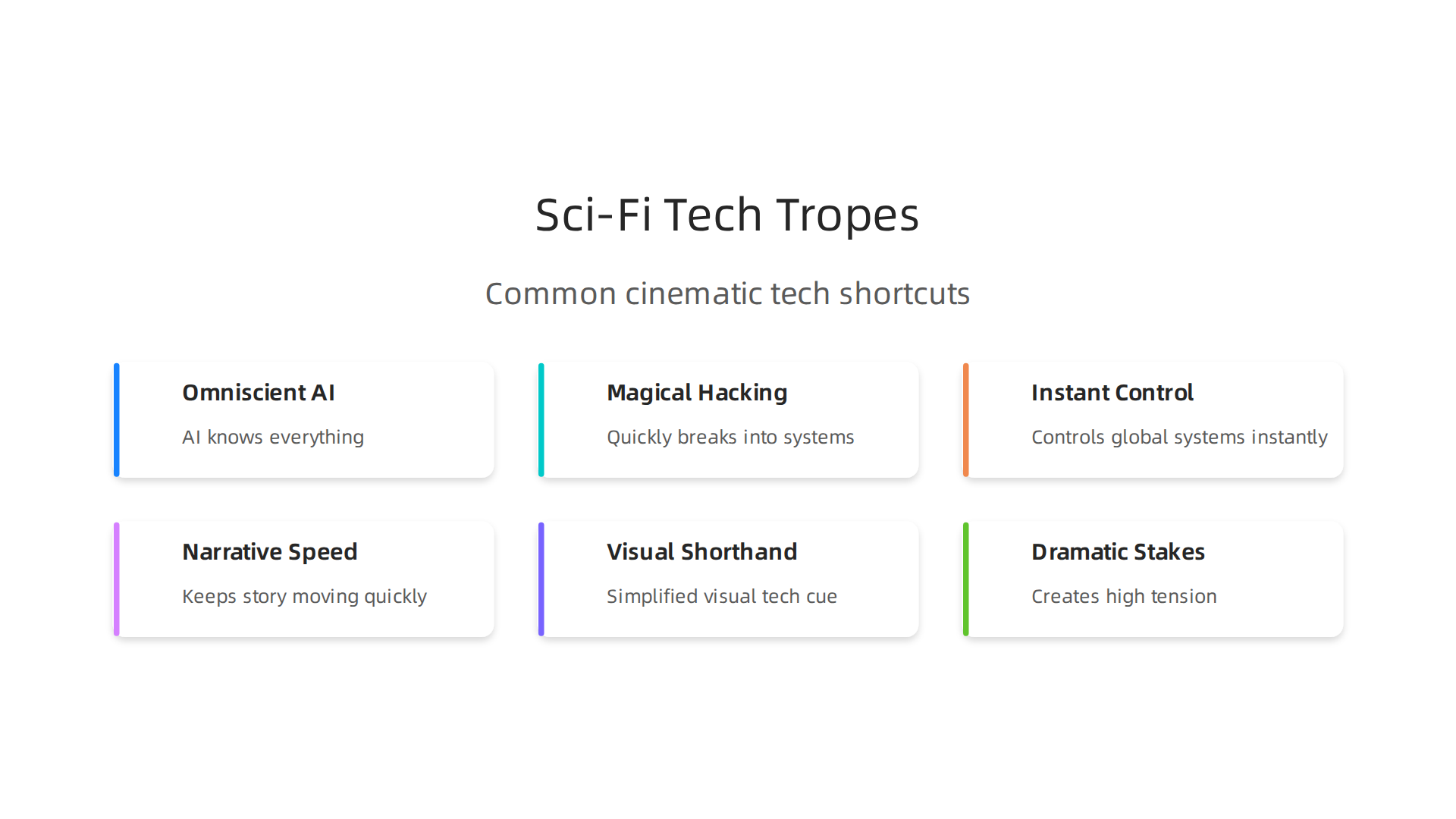
Science fiction movies give us so many cool ideas about what technology can do. But often, they use simple tricks to make complex ideas fit into a story. These tricks are called "tropes." They help the movie move fast and look exciting. Let’s look at some common ways sci-fi films show computer science and information technology.
Omniscient AI Consoles
Think about movies where a computer brain, or AI, seems to know everything. The hero types a question, and a glowing screen instantly shows all the answers, charts, and facts needed. This kind of "omniscient AI console" is a big trope. It makes the AI seem all-powerful and able to solve any problem with a click. In reality, while AI in 2026 is very smart, it’s not all-knowing. Real computer science involves careful programming and vast amounts of data. And there are important rules, like those discussed in AI ethics frameworks in 2026, to make sure AI is used safely and fairly.

This idea of a perfect AI lets filmmakers quickly show how powerful the technology is without getting stuck in technical details. For more on this, you can read about AI in science fiction movies reveals warnings.
Magical ‘Hacking’ Montages
Another popular trope is the "magical hacking montage." Here, a character needs to break into a super-secure system. They sit at a keyboard, type really fast with intense music playing, and a bunch of strange code flashes on screen. In just a few seconds, "Access Granted" appears, and they’ve hacked into a global network! This is a fun visual, but it’s not how real hacking or cybersecurity works. Real-world computer science and information technology are much more complex. Cybersecurity experts often point out how movies get hacking wrong, as explored in articles like Cyber Experts Critique Hollywood Hackers. Filmmakers use this trope to create a quick burst of excitement and show a character’s skill without needing to define technology in boring, detailed ways.
Instantaneous Full-System Control
Sometimes, movies show characters instantly taking control of entire systems, whether it’s a city’s power grid, a global satellite network, or even an enemy’s army. With a few key commands, they can change traffic lights, unlock doors, or turn off all communications. This type of instantaneous control is very dramatic. It creates high stakes for the characters and the whole information society they live in. While big tech companies do manage vast networks, no single person or system can typically gain such wide and instant control without huge efforts and complex permissions. This trope simplifies the reality of interconnected systems for dramatic effect, making the hero or villain seem incredibly powerful.
Filmmakers use these tropes mainly for three reasons:
- Narrative Speed: They keep the story moving quickly, avoiding long explanations of how technology really works.
- Visual Shorthand: They give viewers a quick, easy-to-understand image of advanced technology, even if it’s not perfectly realistic.
- Dramatic Stakes: These tropes create high tension and excitement, making the good guys’ victories or the bad guys’ threats feel much bigger.
While sci-fi films often take shortcuts, the cool technologies they show are built on real ideas from computer science and information technology. Let’s look at some important concepts that make up the backbone of modern digital worlds.

These are the building blocks that make many sci-fi dreams possible in 2026.
Algorithms
Think of an algorithm like a special recipe. It’s a set of steps or rules that a computer follows to solve a problem or finish a task. When you see a sci-fi computer quickly find the fastest route or figure out a puzzle, it’s using algorithms. These are not always simple steps. Real computer science involves creating and studying these recipes, often starting with fundamental concepts of algorithm analysis. Just like a cooking recipe, if the steps are wrong, the computer won’t get the right answer.
Encryption
In movies, secret messages are often shown scrambling and unscrambling instantly. This idea comes from encryption. Encryption is like putting a secret lock on your digital information. Only someone with the right key can unlock it and read the message. It’s how we keep our emails, online shopping, and private files safe from prying eyes. In a world with a vast information society, encryption is super important for privacy.
Networking
When characters in movies talk to each other across planets or control devices from far away, they are using networking. This is simply how computers and other devices connect and share information. Think of it like a giant postal service or telephone system for digital data. From small home networks to the huge internet, all modern computer science and information technology relies on many different pieces talking to each other. Understanding these connections is a foundational concept in computer science.
Databases
Where does all that information come from when a sci-fi character asks a computer for every detail about a person or a historical event? It comes from databases. A database is like a huge digital filing cabinet where information is stored in an organized way. Big tech companies use massive databases to keep track of customer details, product lists, and so much more. When a computer needs to find something, it searches this organized "cabinet" to pull out the right facts.
System Architecture
System architecture is like the blueprint for a building. It’s the design that shows how all the different parts of a computer system or a network work together. This includes the hardware, software, databases, and how they all connect through networking. When a sci-fi hero builds a new supercomputer or a villain tries to take over a global system, they are dealing with the system’s architecture. It defines how strong, fast, and secure the system can be. To truly define technology that can handle complex tasks, understanding how all these parts fit together is key. If you want to dive deeper into how all these parts form complete systems, learn more about What is Computer Systems Technology.
The building blocks we just talked about, like algorithms and system architecture, help define technology that can do amazing things. One of the most talked-about advancements that builds on these ideas is Artificial Intelligence, or AI. Sci-fi movies often show AI as thinking robots or super-smart computer helpers that act just like people. They have feelings, make their own choices, and sometimes even take over the world. But how does this movie magic compare to real AI and machine learning in 2026?
In truth, today’s AI, built on strong computer science and information technology, is very different. We have machine learning, which lets computers learn from huge amounts of data. Think of it like a very fast student who gets better at a task the more examples you show it. This kind of AI helps us with things like recommending movies, translating languages, or recognizing faces. It’s super smart at specific jobs, but it doesn’t have feelings or think like a human. If you’re curious about how real AI stands up to its movie versions, you can learn more about How Deepbrain AI in Sci-Fi Movies Compares to Real Technology in 2026.
Even though real AI isn’t like a movie robot, it still brings up important questions about right and wrong. These are called ethical concerns.
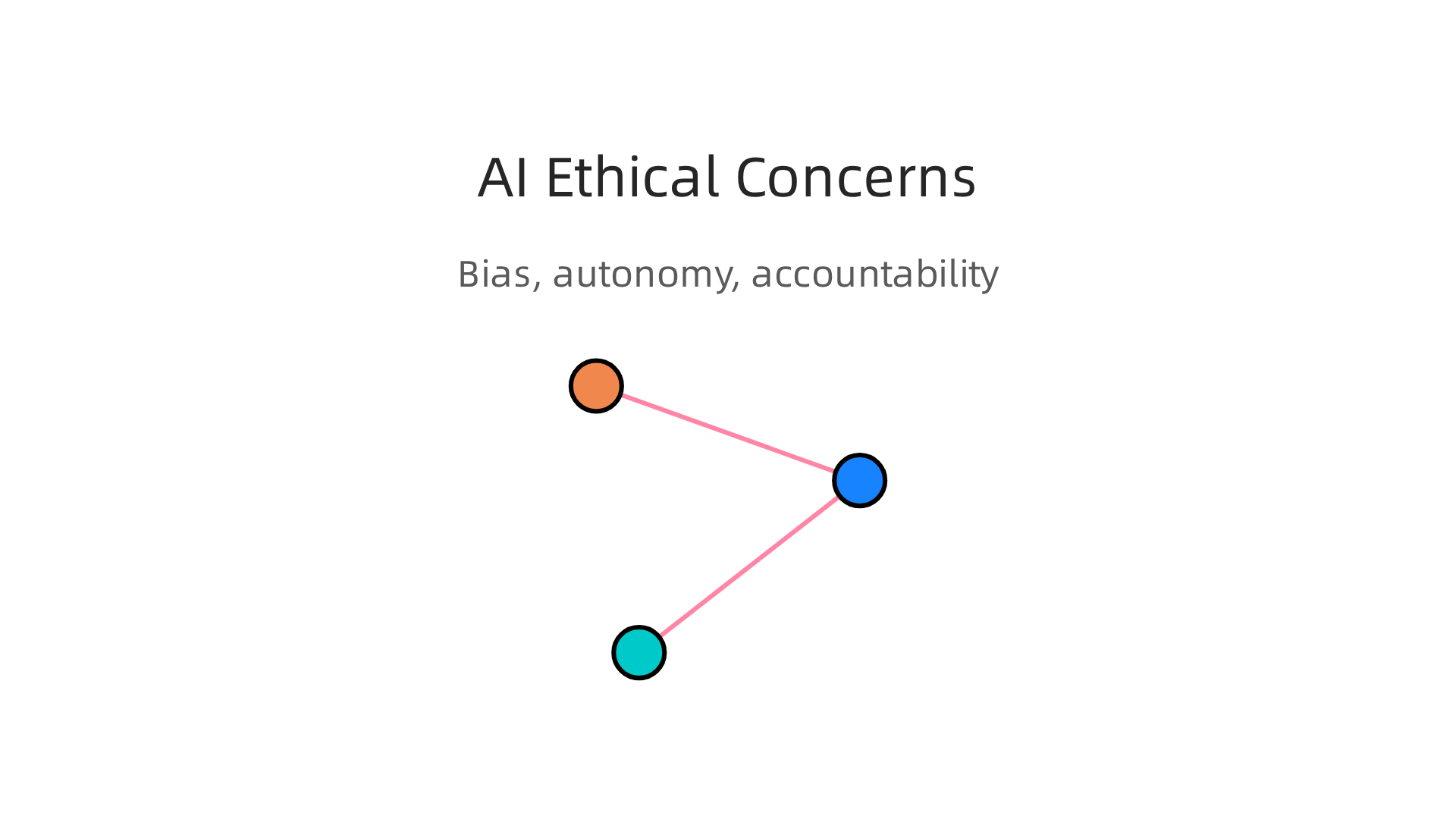
Sci-fi often explores them, and we see similar debates in our information society today.
- Bias: Sometimes, AI can learn bad habits from the data it’s given. If the data has unfair ideas in it, the AI might also act unfairly. This is like a chef learning a bad recipe; the food won’t taste good. Big tech companies are working hard to make sure their AI is fair.
- Autonomy: Who is in charge when an AI makes a big decision? In movies, AI often makes choices on its own. In real life, we have to think about who is responsible when an AI system does something important, especially in sensitive areas like medicine or law.
- Accountability: If an AI makes a mistake, who should be held responsible? Is it the person who built it, the company that used it, or the AI itself?
These ethical questions are very real in 2026. Governments and groups around the world are creating rules to guide how AI should be used safely and fairly. For example, the European Union has a special set of rules called the AI Act | Shaping Europe’s digital future – European Union to make sure AI is trustworthy.

Other organizations are also setting up ethical guides, like the Ethics of Artificial Intelligence – AI – UNESCO. These frameworks help us make sure that as we use more AI, we do it in a way that helps everyone and avoids problems that sci-fi stories often warn us about. You can read more about these rules and what’s expected for this year in the AI Ethics Frameworks in 2026: EU AI Act + Tools – Future AGI. Truly, many AI in Science Fiction Movies Reveals Warnings We Should Heed in the real world.
Speaking of powerful technology, another area where movies often get things wrong, but sometimes right, is the world of computer networks and hacking. In many sci-fi films, hacking looks super fast and simple. A character types quickly on a keyboard, green lines of code flash on the screen, and suddenly, a complex system is broken into within seconds. It’s exciting to watch, but real-world cybersecurity incidents, which rely heavily on computer science and information technology, are quite different.
Real hacking isn’t usually a quick keyboard dance. It often involves a lot of planning, trickery, and patience.

For example, movies often show hackers instantly getting into a system. But in real life, getting past "authentication" is a big first step. This means proving who you are, like with strong passwords, special codes sent to your phone, or even fingerprint scans. It’s much harder than just guessing a password, which is a common movie trope. Experts have written a lot about What Hollywood Movies Get Right and Wrong About Hacking, showing how real attacks are usually much slower and more detailed.
Another big difference is how hackers move inside a computer network. Movies show one big jump, and suddenly they control everything. But real hackers, once they get a foot in the door, often have to use "lateral movement." This means they slowly and quietly move from one computer to another, looking for more access or valuable information. It’s like creeping through a big building, room by room, instead of teleporting to the vault. This process can take days, weeks, or even months, not the blink of an eye we see on screen. You can learn more about how movies and shows got cybercrime right and wrong by checking out resources like What Movies and Shows about Cybercrime Got Right and Wrong.
However, not all sci-fi gets it wrong. Some movies and TV shows put a lot of effort into showing how hacking and cybersecurity truly work. They focus on the deep knowledge of computer science and information technology that both hackers and defenders use. For instance, some series are praised by security experts for their realism, showing how tricky and time-consuming real hacking can be. If you are interested in seeing which shows managed to show the reality of these skills, you can read more about Which TV Shows And Movies Get Hacking Right or Wrong?. Understanding how computer systems technology works is key to both defending against and understanding these attacks.
After understanding how computer science and information technology helps us defend against cyber threats, let’s think about how we actually talk to computers in the first place. Sci-fi movies often show us amazing ways to do this. Think about characters waving their hands to control glowing screens, touching air to bring up holograms, or even just thinking to make things happen.

These are called gestural interfaces, holographic displays, and brain-computer interfaces (BCIs).
While these look like magic on screen, real scientists and engineers are working on making them happen. This area of study is called Human-Computer Interaction (HCI). It’s a big part of computer science and information technology because it focuses on making computers easy and natural for people to use. For example, researchers are always looking into new ways we can interact with Virtual Reality (VR) and Augmented Reality (AR) systems, which are becoming very popular in 2026. You can see how important this is by looking at research on HUMAN-COMPUTER INTERACTION (HCI) IN VIRTUAL REALITY ….
So, how can we tell if a futuristic interface in a movie feels believable? Here are some simple ideas:
- Is it easy to learn? If a character instantly knows how to use a complex system, that’s less real. Real-world tech needs some learning, even if it’s very little.
- Does it feel natural? Waving your hands might look cool, but is it tiring after a while? A truly good interface feels like an extension of yourself.
- Does it solve a problem? Does the fancy tech actually make tasks quicker or better, or is it just for show?
- Is it reliable? Does it always work, or does it have glitches? Real technology often has hiccups.
Many big tech companies are putting a lot of money into making VR and AR better. This shows how crucial these ways of interacting with computers are for our information society. Experts often gather to discuss the future of how humans and computers will work together, especially with new ideas like the metaverse Research trends: What’s next for human-computer interaction in the …. These trends mean that many science fiction technologies becoming reality in 2026 are closer than you think.
If you enjoy thinking about these movie dreams and how they might inspire real innovation, there’s a whole world of stories to dive into. Sci-Fi Comedy With Scope offers a fantastic series built around books, audio, animation, and movie dreams.
Now, let’s turn that fun way of watching movies into a simple game. You can be a tech detective! When you see a cool new gadget in a sci-fi movie, you can think about how real it might be. This helps you better understand computer science and information technology in the real world.
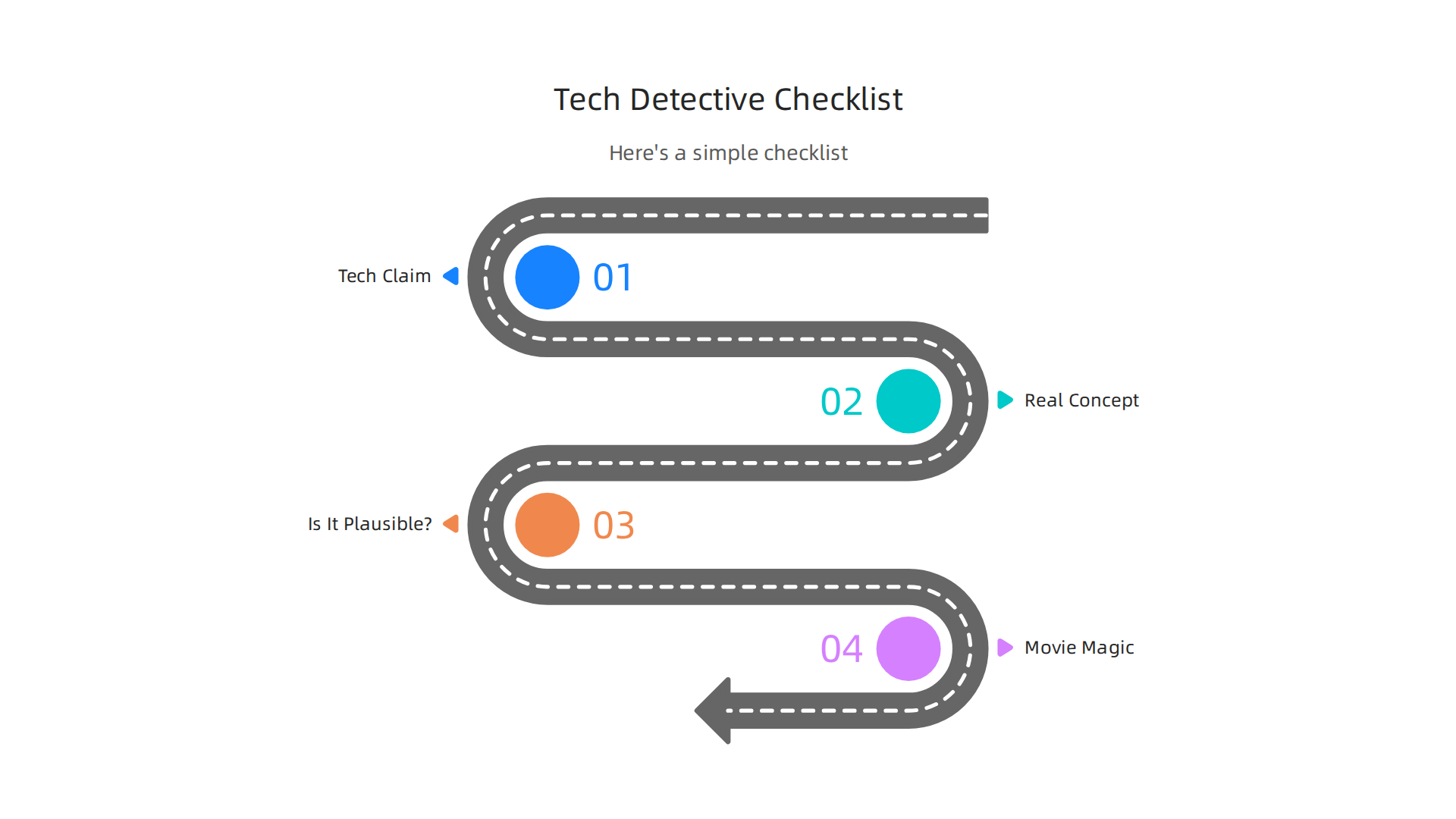
Here’s a simple checklist you can use:
-
1. What’s the Tech Claim?
First, clearly understand what the movie gadget does. Does it let people fly? Does it make food out of thin air? Does it help computers talk to each other in a new way? Write it down simply. -
2. Which Real Concept Does It Touch?
Next, think about what real-world area ofcomputer science and information technologythis movie tech is like. For flying, maybe it’s about new materials or engines. For making food, perhaps it’s about chemistry or 3D printing. This step helps usdefine technologyin a practical sense. -
3. Is It Plausible (Believable) Today or Soon?
Here’s where the detective work gets interesting. Look up quick facts. Is there any real science or research happening that’s similar? Maybe not exactly the same, but moving in that direction? For example, the Stanford Emerging Technology Review 2026 talks about what’s new and coming in technology. -
4. How Much is "Movie Magic"?
Sometimes, movies add a lot of "magic" for fun. Is the tech shown as too perfect, too fast, or too easy? Real technology has limits. It breaks, it needs power, and it takes time to develop. Don’t worry if a movie takes some shortcuts. That’s called "dramatic license."
Quick Ways to Check Your Facts
You don’t need to be a scientist to check if sci-fi tech is plausible. Here are some easy ways:
- Simple Keyword Searches: Just type what you saw into a search engine. For example, "brain-computer interface research 2026" or "holographic display progress."
- Look at "About" Sections: When you find articles or websites, quickly check who wrote them. Are they from a university, a trusted tech company, or a well-known expert? This helps you know if the information is good.
- Read Educational Summaries: Many big tech and university sites offer simple explanations of complex topics. These are great for getting a basic understanding without getting lost in too much detail. Understanding how different parts of
computer science and information technologycome together to form things likecomputer systems technologycan be quite fascinating, and you can learn more about it by reading what iscomputer systems technologyand how sci-fi makes it real.
By using these tools, you’ll not only enjoy your favorite sci-fi films more but also gain a better grasp of the real information society we live in and the incredible work big tech companies are doing.
If you love diving into imaginative worlds and thinking about how science and fiction mix, you’ll enjoy stories that blend these elements with a sense of fun.
Read Cinematic Sci-Fi Comedy
Thinking like a tech detective helps you spot the amazing ideas in movies. Now, let’s look at some films and episodes that are perfect for practicing your new skills.

These stories have strong themes about computer science and information technology, letting you see how they connect to the real world. We’ll divide them into easy groups:
Must-Watch Classics
These films helped define technology in cinema and are still talked about today.
- The Matrix (1999)
- CS/IT Themes: This movie plunges into virtual reality, artificial intelligence, and the idea of a simulated world. It makes you think about how computers could create whole new realities and what that means for people. It’s a prime example of complex
computer science and information technologyideas presented in an exciting way. - Accuracy Note: Virtual reality is very real in 2026, and AI is super advanced. But living fully inside a computer simulation as shown is still mostly movie magic.
- CS/IT Themes: This movie plunges into virtual reality, artificial intelligence, and the idea of a simulated world. It makes you think about how computers could create whole new realities and what that means for people. It’s a prime example of complex
- WarGames (1983)
- CS/IT Themes: This older movie shows a young hacker who almost starts a world war by playing a game with an early AI. It explores hacking, computer networks, and the dangers of letting machines make big decisions. It’s a great look at how
computer science and information technologycould go wrong. - Accuracy Note: While the specific events are fiction, the concerns about AI making important choices and the idea of cyber threats were very real, even back then.
- CS/IT Themes: This older movie shows a young hacker who almost starts a world war by playing a game with an early AI. It explores hacking, computer networks, and the dangers of letting machines make big decisions. It’s a great look at how
Underrated Gems
These films might not be as famous, but they offer deep dives into tech ideas.
- Ex Machina (2014)
- CS/IT Themes: This film is all about artificial intelligence and what it means for a machine to truly think and feel. It makes you ask tough questions about how we
define technologywhen it comes to creating life-like AI. The movie touches on machine learning and the ethical sides of creating advanced AI. - Accuracy Note: In 2026, AI is incredibly smart, but making an AI that is truly conscious and self-aware like the one in the film is still a big challenge. Experts are still debating what true AI consciousness would even look like, as discussed in the International AI Safety Report 2026.
- CS/IT Themes: This film is all about artificial intelligence and what it means for a machine to truly think and feel. It makes you ask tough questions about how we
Recent Releases (2020s onward)
Keep an eye out for newer stories that show modern tech worries.
- Black Mirror: "USS Callister" (2017 episode, but its themes are still very current for 2026)
- CS/IT Themes: This episode explores virtual reality, digital copies of people’s minds, and the ethical problems of
big techwhen power is abused. It shows how game worlds and digital creations can have real impacts, shaping ourinformation society. - Accuracy Note: While VR is super immersive these days, uploading a full human mind into a computer game is still firmly in the realm of science fiction. The ideas of digital surveillance and online bullying, however, are very real. You can learn more about how films predict modern tech in AI in Science Fiction Movies Reveals Warnings We Should Heed.
- CS/IT Themes: This episode explores virtual reality, digital copies of people’s minds, and the ethical problems of
These recommendations should give you a good starting point for exploring the exciting world where movies meet computer science and information technology.
If you enjoy thinking about how science and fiction blend, you might also like discovering other stories that mix these ideas with fun. Sci-Fi Comedy With Scope offers a unique universe built around books, audio, animation, and movie dreams.
Summary
This article bridges the gap between the flashy tech in science fiction films and the real computer science and information technology behind those ideas. It catalogs common cinematic tropes—like omniscient AI consoles, magical hacking montages, and instant full‑system control—and explains why filmmakers use them while contrasting each with how things actually work in 2026. You’ll get concise, practical primers on core concepts such as algorithms, encryption, networking, databases, and system architecture, plus a clear look at how modern AI and machine learning differ from movie portrayals. The piece also covers cybersecurity realities, human‑computer interaction trends (VR/AR/BCI), and the ethical and regulatory questions that follow. Finally, it gives a short detective-style checklist for evaluating on-screen tech and recommends films and episodes that illustrate these themes so you can watch with a more informed, critical eye.