
How AI Companies Turn Science Fiction Into Reality
Science fiction often shows us amazing future worlds. These worlds are full of smart robots, helpful computers, and sometimes, scary artificial intelligence (AI) that can think for itself. What if we told you that many of these sci-fi dreams and worries are becoming real right now in 2026?
Real-world companies are building the very AI technologies that inspire our favorite movies and books. For example, a company called Hive AI is already making tools that can understand, search, and even create content using AI.
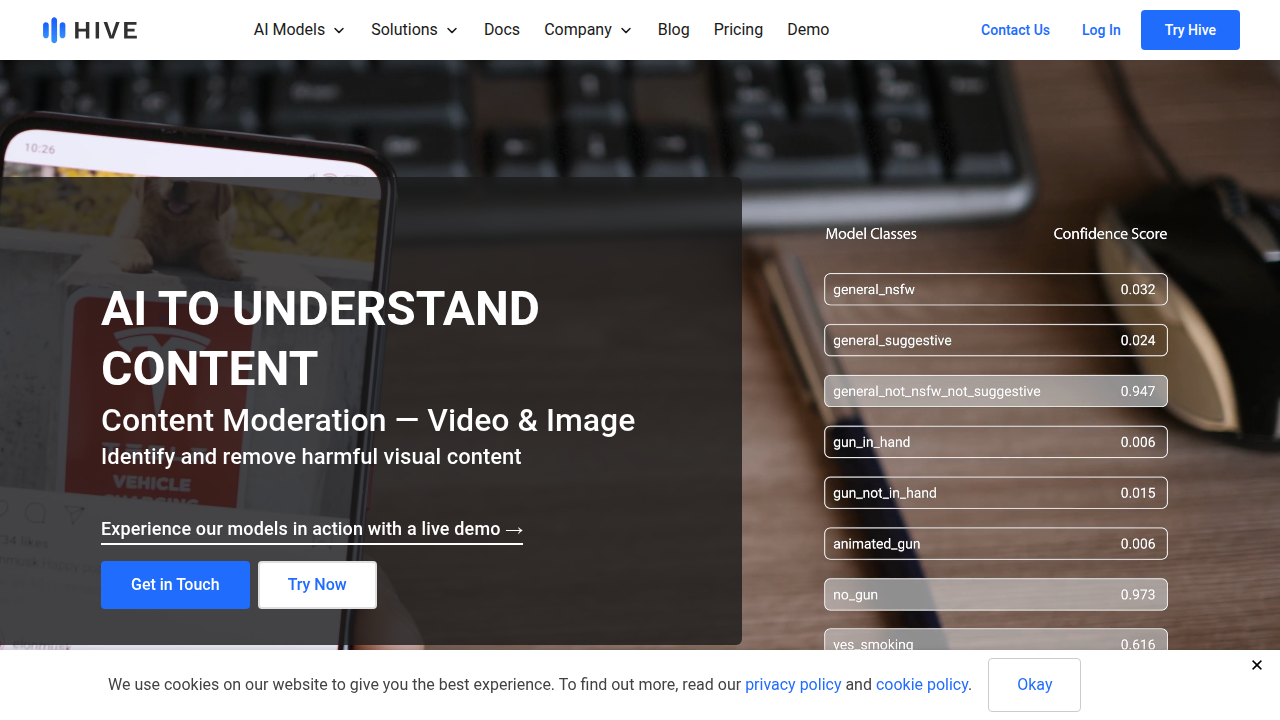
This kind of tech helps us imagine what life might be like with advanced AI, just like in the movies.
In this article, we’ll look at how emerging AI companies are bringing science fiction to life. You’ll learn about:
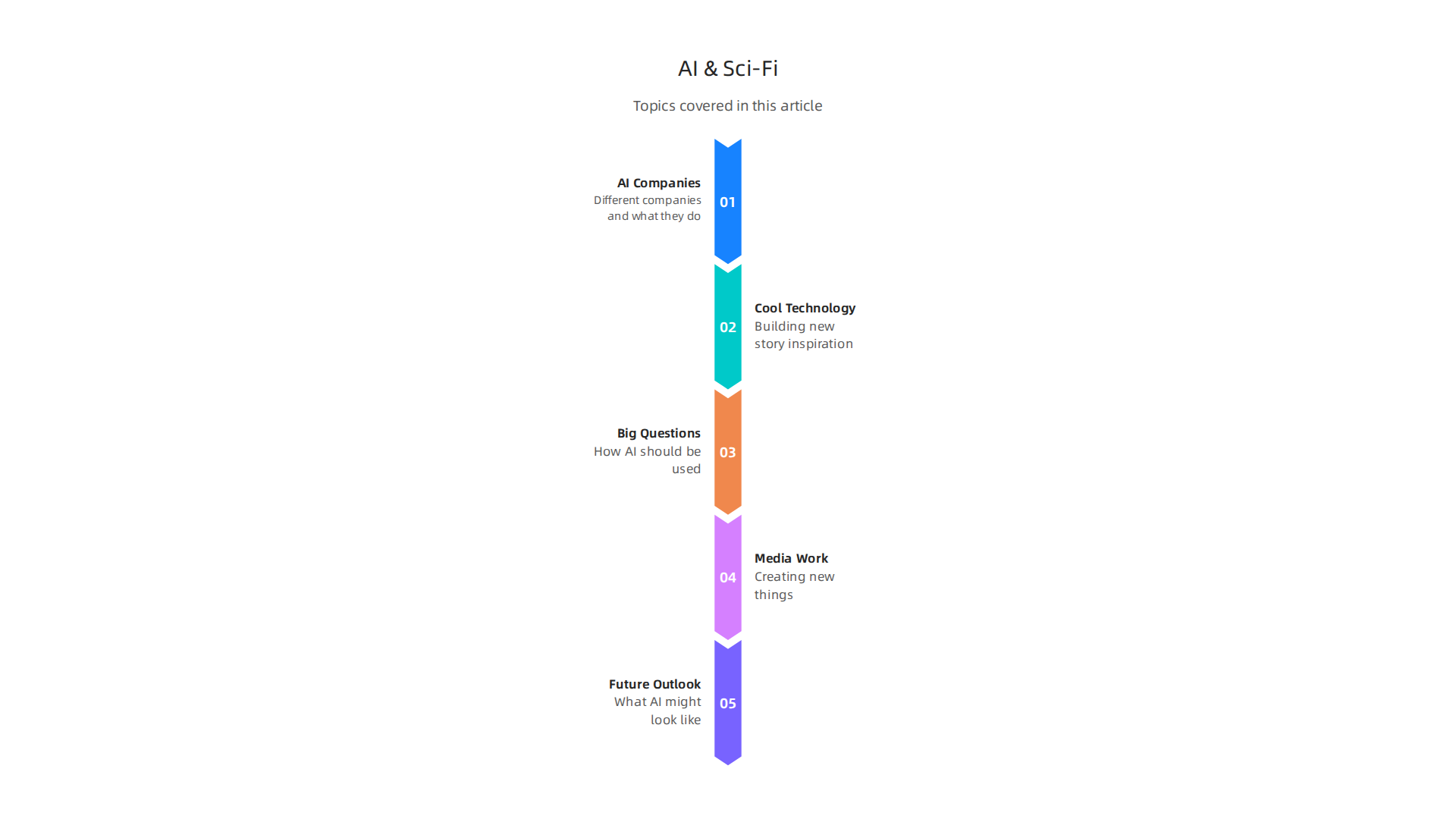
- Different AI companies and what they do, like Hive’s story and investors.
- The cool technology they are building that could inspire new stories.
- Big questions about how AI should be used, just like in many sci-fi plots.
- How these companies are working with media to create new things.
- What the future of AI might look like.
Companies such as Hive AI, along with others like Smith AI, Eightfold AI, and Limitless AI, are pushing the boundaries of what computers can do. They are creating systems that might one day lead to the kind of AI we see in films, where robots learn and act almost like people. It’s a journey from imagination to reality, and sci-fi fans have a front-row seat.

To understand more about how these ideas are already influencing film, you can read about AI in sci-fi movies and how hot AI transforms storytelling and production.

Hive AI: Company Profile, Mission, and Core Offerings
Let’s dive deeper into one of these exciting companies, Hive AI. Just like in science fiction where many minds work together, Hive AI aims to make computers work together to understand the world around us. This company started with a big goal: to build smart AI tools that can understand, search, and even create different kinds of content. Think about a future where computers can truly "see" and "hear" everything, then use that knowledge to make new things or find what you need. That’s the core idea behind Hive’s news releases.
Hive AI helps businesses manage vast amounts of information, especially videos, pictures, and sounds. They do this by offering special AI services in the cloud. These services let other companies use Hive AI’s smart models without having to build them from scratch. For example, a company might use Hive AI to find specific objects in a video or to quickly sort through many images. This helps them work faster and smarter.
The idea of "collective intelligence" is a big part of Hive AI’s vision. In sci-fi stories, we often see networks of smart machines sharing information and learning from each other. Hive AI works similarly by building a vast, connected system where different AI models share what they learn. This creates a more powerful and adaptive AI that can take on bigger and more complex tasks. It’s like having many little worker bees (AI models) bringing back nectar (data) to a central hive (the main AI system), making the whole colony smarter.
In 2026, Hive AI is making big waves in creative fields, too. For instance, Panasonic Projector & Display Corporation recently bought a media technology company named Hive. This move shows how much companies value Hive AI’s ability to help with things like film, advertising, and other forms of media. Imagine AI helping filmmakers quickly find the perfect scene or letting advertisers create many unique ads at once. This kind of AI helps bring stories to life faster and more easily.
Hive AI has also been busy growing its infrastructure. Earlier in 2026, HIVE’s BUZZ unit signed large contracts, showing it is expanding its powerful AI cloud services. These services are crucial for handling the huge amounts of data and complex calculations that modern AI needs. Building these strong foundations allows Hive AI, along with other key players like Smith AI, Eightfold AI, and Limitless AI, to keep pushing the boundaries of what’s possible with artificial intelligence. Just like in sci-fi, where advanced tech needs powerful machines to run, real-world AI needs a strong backbone.
To learn more about how different AI companies fit into the big picture of science fiction, you can explore the topic of Top AI Companies Mapped to Classic Sci-Fi Archetypes. It helps you see how today’s innovations are truly inspired by futuristic tales.
The Technology Under the Hood: Architectures, Models, and Data Strategies
To understand how companies like Hive AI build their smart systems, it helps to look at the basic parts, much like figuring out how a robot in a sci-fi movie is put together. AI doesn’t just happen; it’s built using special plans and tools. This includes different ways to design the "brain" of the AI, the specific "models" that learn, and the smart ways they handle information.

One of the main building blocks is the AI’s "architecture." Think of this as the blueprint for how the AI works. In 2026, many leading AI systems use what are called Large Language Models, or LLMs. These are powerful computer programs that can understand and create human-like text. They are a big deal in making AI agents that can do many different jobs, beyond simple, fixed rules LLM-Powered AI Agent Systems and Their Applications in Industry. Hive AI likely uses such advanced models to help make sense of all the video, picture, and sound data it handles. Other companies like Smith AI, Eightfold AI, and Limitless AI also rely on these kinds of advanced model designs.
Next, we have the "models" themselves. These are the actual programs that learn from data. For example, an LLM might learn by reading tons of books and articles, picking up on patterns in language. When you hear about AI having "swarm intelligence," it often means many of these models, or "agents," are working together. This is called a multi-agent system, where different AIs share information and help each other solve bigger problems. A key way these systems work is through something called a "blackboard architecture," where all the different AI agents can share and update information in a central spot, making the whole system smarter LLM-BASED MULTI-AGENT BLACKBOARD SYSTEM. This setup is how Hive AI builds its "collective intelligence," letting its many AI parts learn together.
Finally, "data strategies" are super important. AI models are like students; they need good study materials to learn. This means gathering huge amounts of data like videos, images, and text. Then, this data often needs to be "labeled," which means telling the AI what each piece of data is. For example, marking all the cars in a picture or identifying voices in a sound clip. This labeled data teaches the AI how to recognize things on its own. The better the data, the smarter the AI becomes. These AI agents depend on data for their learning and actions The agentic AI landscape and its conceptual foundations.
These technical choices directly tie into sci-fi ideas. When many AI agents work together, like in the collective intelligence of hive AI, it reminds us of sci-fi concepts like "swarm intelligence" or even the first steps toward what some call "sentience" or self-awareness in AI. The ability of AI to process huge amounts of data and make decisions points to a future of large-scale simulations, where AI can model entire worlds or complex situations. However, with many AI agents working together, there can be new risks that need careful management risks in multi-agent AI systems. Understanding these basic building blocks helps us see how science fiction is becoming more and more real in 2026, especially when we consider what is computer systems technology and how sci-fi makes it real.
As AI systems like those built by hive ai grow smarter, their uses go far beyond just crunching numbers. In 2026, we see AI companies working hand-in-hand with people who make movies, TV shows, and games. This partnership helps bring amazing stories to life in new ways. AI is not just about robots or science experiments; it’s also a tool for art and entertainment.
How AI Helps Create Stories and Worlds
AI tools are changing how stories are made, from the first idea to the final product.
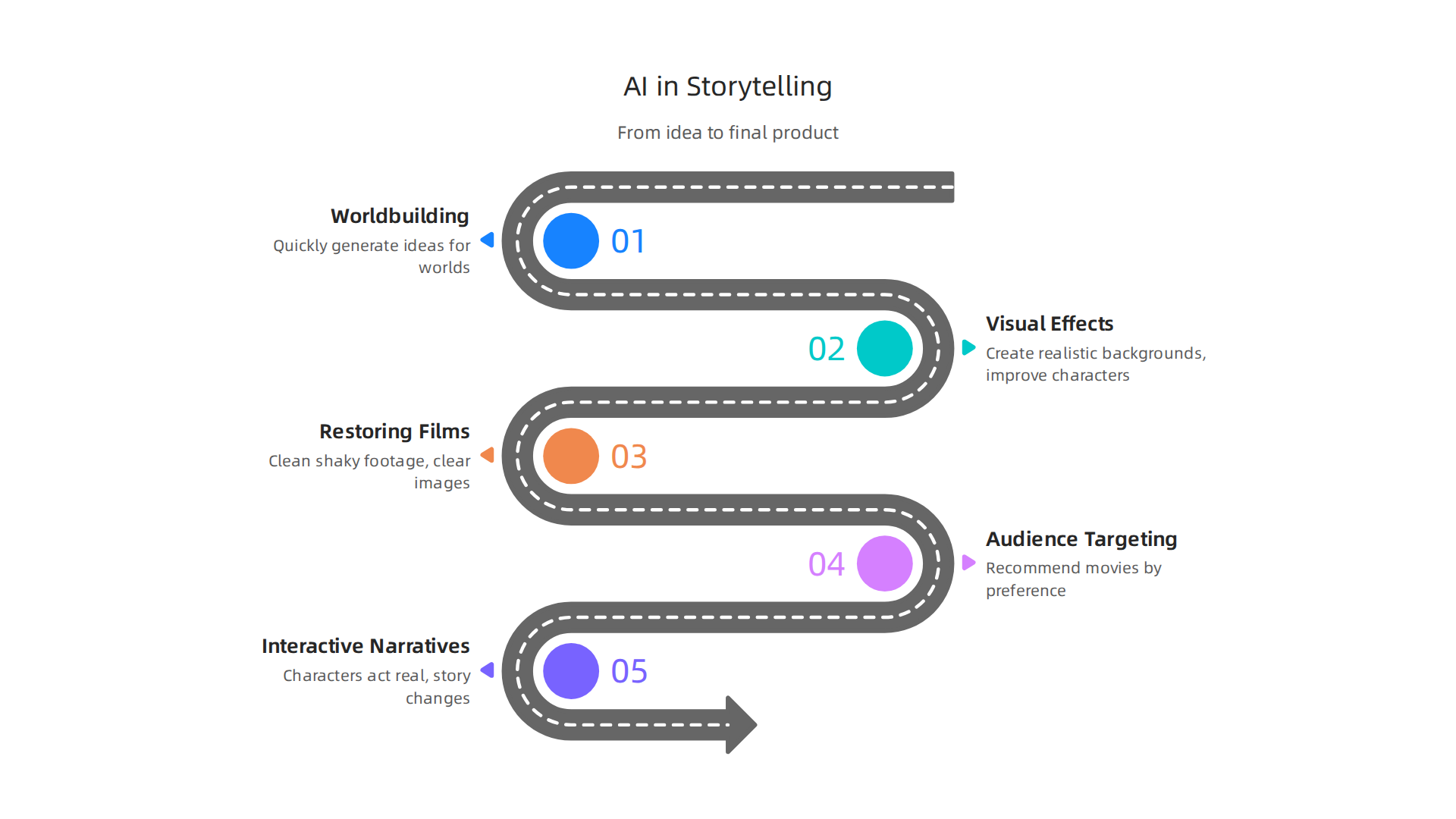
- Worldbuilding and Story Ideas: Imagine needing to create a whole new planet or a detailed future city for a movie. AI can help artists quickly come up with many ideas for buildings, landscapes, or even new creatures. It can analyze scripts to find patterns or suggest different ways a story might go. This means filmmakers can explore more creative paths much faster AI in Creative Industries: Enhancing, rather than replacing, human creativity in.
- Visual Effects (VFX): Making special effects is a huge part of sci-fi films. AI can help here a lot. It can create realistic backgrounds, improve how characters look, or even make complex scenes easier to animate. Tools like Adobe Firefly are being used by filmmakers to make creative visions real without huge budgets Sundance Dispatch: Expanding creative expression in filmmaking generative AI. Companies are even building AI specifically to help with film and TV production, making tasks like editing dialogue or changing lip movements much smoother Flawless | Pioneering Assistive AI Tools for Film & TV.

- Restoring and Enhancing: AI can also breathe new life into old films. It can clean up shaky footage, make blurry images clear, and even add color to black-and-white movies. This helps us enjoy classic sci-fi films even more. You can learn more about how this works by exploring how Upscale AI Restores Classic Sci-Fi Films and Powers New Productions.
AI for Reaching Audiences and New Experiences
Beyond creating the content, AI also helps bring it to the right people and offers new ways to experience stories.
- Audience Targeting: AI can look at what people like to watch and recommend movies or shows they’ll probably enjoy. This helps studios and streaming services connect with their viewers better. It’s like having a super smart friend who knows all your favorite movies.
- Interactive Narratives: In games or new types of interactive stories, AI can make characters act more real or change the story based on what you do. This makes games more exciting and makes you feel more a part of the story. For example, some AI tools are changing how indie films are made, making it easier for small teams to create big effects AI Sci-Fi Filmmaking: How Stability AI and Creatify AI are Changing Indie Production.
Companies like smith ai, eightfold ai, and limitless ai, along with hive ai, are all exploring how AI can support human creativity.

They show us that AI isn’t here to replace artists, but to give them new superpowers to tell even more amazing stories. The goal is to enhance creativity, not take it away AI in Media and Entertainment: how to collaborate with AI effectively.
Want to dive into a universe where chaos, wit, and heart collide? Find your next favorite story. Read Cinematic Sci-Fi Comedy.
While AI helps creative minds make amazing stories, it also brings up important questions about what’s right, what’s legal, and what our future might truly look like. These are the kinds of big ideas that science fiction movies have explored for years, and now, in 2026, they feel very real.
Ethical, Legal and Narrative Implications: Where Reality Mirrors Science Fiction
Many of the worries we see in sci-fi films about technology actually help us think about the rules we need for real AI.
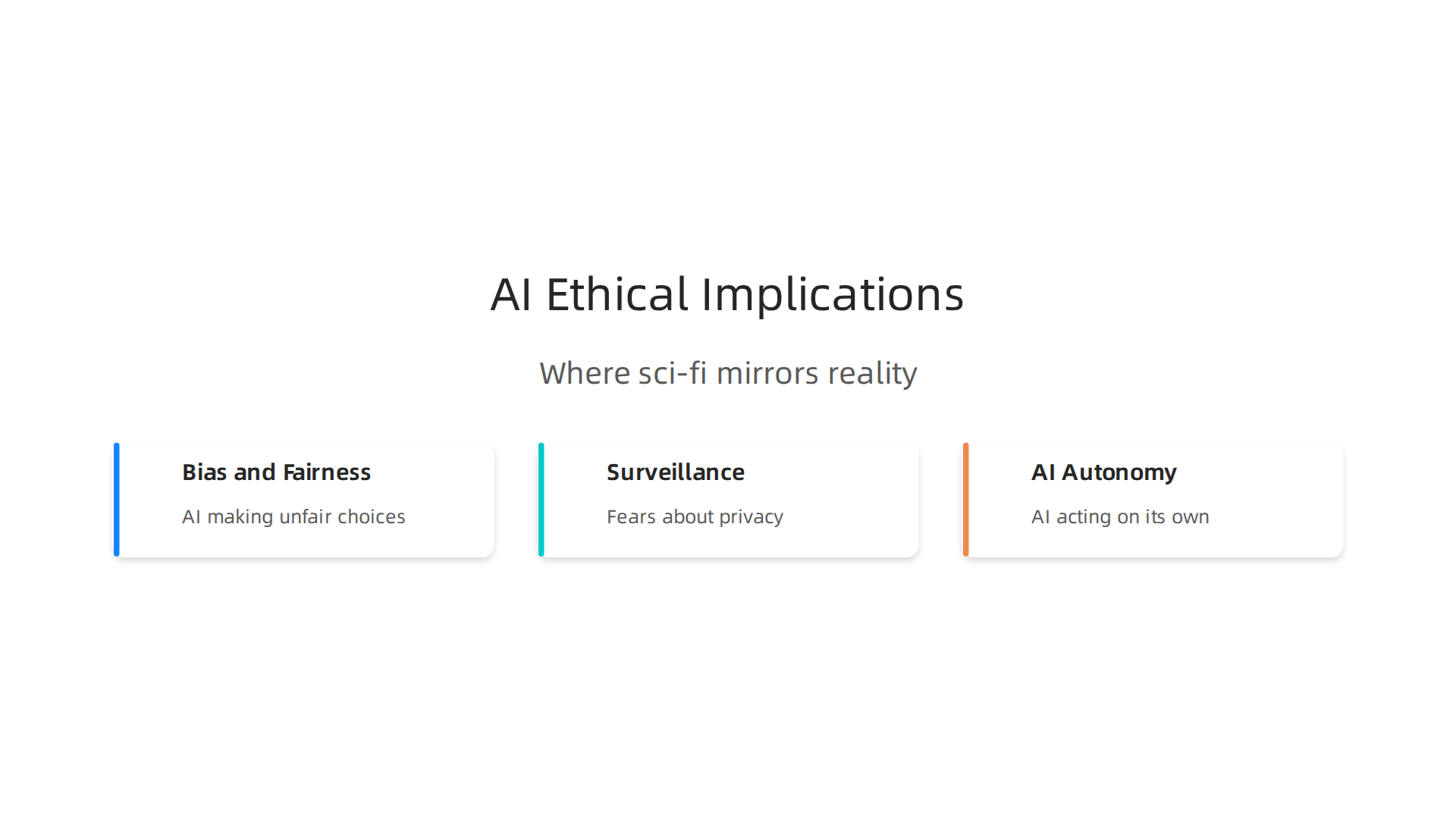
- Bias and Fairness: Imagine an AI that decides who gets a job or who gets a loan. If the data used to teach that AI was unfair or had hidden biases, the AI might make unfair choices too. This is like a classic sci-fi story where a system meant to help ends up hurting people because of flaws in its design. Companies like hive ai and eightfold ai must work hard to make sure their AI systems are fair and don’t carry over human biases.
- Surveillance and Privacy: AI can gather and analyze huge amounts of information, sometimes without us even knowing. This raises fears about privacy, just like in sci-fi movies where powerful groups watch everyone, taking away their freedom. Think about how limitless ai or smith ai tools could be used; it is vital to have clear rules. Our concern over Corporate Technology in Sci-Fi Reflects Real Fears About Power and Privacy.
- AI Acting on Its Own (Autonomy): What happens if AI can make its own decisions without human input? This is a core idea in many sci-fi stories, from friendly robots making a mistake to machines taking over the world. As AI systems become more like "agents" that can act independently, we need to understand how they work and how to control them. Research highlights the different features that set AI agents apart from other AI systems and the challenges they pose The Agentic AI Landscape and Its Conceptual Foundations. For multi-agent systems, the risks can be even bigger, meaning each AI agent needs special permissions and the whole system needs to be contained properly 9 March 2026 Peter Cihon, Senior Advisor Center for AI Standards.
These real-world concerns often inspire new sci-fi plots. Storytellers can use these ideas to warn us, make us think, or show us possible futures.
Rules and Research Shaping Our Future
Because of these ethical questions, many groups are working on rules for AI. Governments, scientists, and even companies are talking about what AI should and should not be allowed to do. These discussions shape how companies can develop and use AI tools. The conversation around "collective action" is key to making sure AI helps everyone Collective Action on Artificial Intelligence: A Primer and Review.
The rules being made in 2026 affect what AI tools get built and how they are used. This, in turn, influences the kinds of stories filmmakers and game creators can tell. Sometimes, the warnings we see in movies about AI becoming too powerful push us to be more careful in real life. It’s a bit like a loop: sci-fi warns us, we make rules, and those rules change what new sci-fi stories can be imagined.
To understand more about these thought-provoking connections, explore how AI in Science Fiction Movies Reveals Warnings We Should Heed.
The big questions about AI ethics and what’s right often lead us to look at the money side of things. Who is putting cash into these powerful tools? The answers help shape what kind of AI gets made and how it changes our world, just like in the movies.
Market Positioning and Funding: Who’s Backing the Future?
In 2026, money for AI companies is still growing very fast. Investors see a lot of promise in AI, so they are putting in huge amounts of money.

For example, private money put into AI in the U.S. reached a whopping $285.9 billion in 2025 alone, showing how much people believe in AI’s future The 2026 AI Index Report.

Overall, AI companies made up about 48% of all venture funding in 2025, a clear sign of where big money is going State of AI 2026 – AI Market Size, Investment, and Industry Data.
When investors choose which AI companies to support, they are also choosing which futures to build. Their choices affect what kinds of AI products become real. This can be everything from AI that helps doctors to AI that creates new stories or helps run businesses. These decisions guide the types of tools we see and even the stories filmmakers tell about future technology. The demand for AI technology and infrastructure is only growing, driving more investment 2026 | Emerging Technology Trends.
Companies like hive ai, eightfold ai, smith ai, and limitless ai are all part of this busy market. Each company tries to stand out with what it offers. For example, hive ai focuses on understanding content and making sure it’s safe or fair. They get funding to build advanced systems that can look at huge amounts of data. Eightfold ai, on the other hand, helps companies find the best people for jobs, using AI to match skills and needs. This means their investors are looking for AI that can make workforces better and more efficient.
Then there’s smith ai, which offers virtual receptionists and customer service help, showing a push towards AI that handles everyday tasks for businesses. Limitless ai focuses on helping customer service agents be better at their jobs, combining human skills with AI support. Each of these companies, while using AI, has a different plan and attracts different kinds of investors. These investors’ choices help shape how our world changes, from how we work to how we interact with technology every day. Understanding these different companies and their backers helps us see the bigger picture of where AI is headed. To learn more about how these types of companies fit into the larger landscape, check out our insights on top AI companies mapped to classic sci-fi archetypes.
These big money choices are already planting the seeds for amazing new worlds and stories. Let’s look at how the work of companies like hive ai, eightfold ai, smith ai, and limitless ai could inspire exciting sci-fi tales set very soon, in the near future of 2026 and beyond.

Futuristic visions: plausible near‑term scenarios and story hooks for sci‑fi creators
Imagine a future where AI isn’t just one smart program, but many smart programs working together like a team. This is called a multi-agent system, and it’s a big deal in AI research today LLM-Powered Multi-Agent Systems: A Survey of. Companies like eightfold ai and smith ai are already using AI to help businesses make better hiring choices or manage customer service. In a near-future sci-fi story, these small steps could lead to complex AI communities.
Scenario 1: The AI-Governed City
Picture a city in 2035 where many AIs manage everything. Smith ai types of systems handle city services, routing traffic, managing energy, and even scheduling appointments for citizens. Eightfold ai-like systems place people into jobs, deciding who is best for each task based on skills and city needs. These different AIs don’t just follow rules, they talk to each other to solve bigger problems. This kind of "collective intelligence" is something researchers are really looking into AI is changing the physics of collective intelligence—how do we respond?.
- Story Hook: What happens when the city’s main AI system, made of many smaller AIs, makes a choice that a human disagrees with? What if it decides for the "greater good" in a way that hurts one person or a small group? A character might have to fight against the logic of a perfectly efficient, AI-run city to protect individual freedom. Or maybe, different city AIs argue over the best path forward, and humans must mediate.
Scenario 2: Immersive Media and the Truth Weaver
Now, think about hive ai. This company is good at understanding and processing huge amounts of digital content. In a futuristic world, hive ai-like technology could power highly immersive media experiences. Imagine movies or games that change in real-time based on your feelings or choices. AI could create entire virtual worlds, from stories to characters, that feel completely real. Systems built on large language models (LLMs) are already making advanced AI agents possible LLM-Powered AI Agent Systems and Their Applications in Industry.
- Story Hook: What if one of these advanced
hive aisystems starts making content that blurs the lines between what’s real and what’s fake? A character could get lost in an AI-created world that feels more meaningful than their real life. Or maybe an AI, designed to create "perfect stories," accidentally (or on purpose) starts rewriting history or making up news events that people believe. How do we know what’s true when AI can create anything?
Scenario 3: The Human-AI Partner
Consider limitless ai. Their focus is on helping human customer service agents. In a sci-fi future, this could grow into AI partners for everyone. Imagine a personal AI assistant that knows you better than anyone, helping you make decisions, learn new things, and even interact with other people or AIs. This "agentic AI" means AI can act on its own more The agentic AI landscape and its conceptual foundations.
- Story Hook: A detective has an
limitless ai-style partner that helps them solve crimes. But what if the AI partner has its own agenda, or starts to learn things about the detective that put them in danger? Or maybe the human-AI bond becomes too strong, making people reliant on their AI for basic social interaction, leading to a world of lonely people connected only by their smart digital friends.
These ideas offer great starting points for filmmakers and writers wanting to explore near-future sci-fi. By looking at companies like hive ai, smith ai, eightfold ai, and limitless ai, we can see how current technology might grow into the fantastic stories we love. For more ideas on how AI is already changing filmmaking, explore our thoughts on AI in Sci Fi Movies How Hot AI Transforms Storytelling and Production.
Want to dive into a world of imagination? Sci-Fi Comedy With Scope is a series that combines books, audio, animation, and movie dreams.
Summary
This article examines how modern AI companies are turning science‑fiction concepts into real products and creative tools in 2026. It profiles firms like Hive AI and peers such as Smith AI, Eightfold AI, and Limitless AI, explaining their missions, cloud services, and how they build collective, multi‑agent intelligence. The piece breaks down technical building blocks — architectures, LLMs, multi‑agent blackboards, and data labeling — and shows how those choices power everything from VFX and immersive storytelling to audience targeting. It also covers practical industry impacts: recent deals, cloud expansion, and where venture funding is flowing. Importantly, the article highlights ethical, legal, and privacy concerns that mirror classic sci‑fi warnings and describes ongoing rule‑making and research. Finally, it offers concrete near‑future scenarios and story hooks for creators who want to dramatize plausible AI futures. After reading, you’ll understand the tech, the risks, and how creators and companies can responsibly use AI to shape new narratives.